

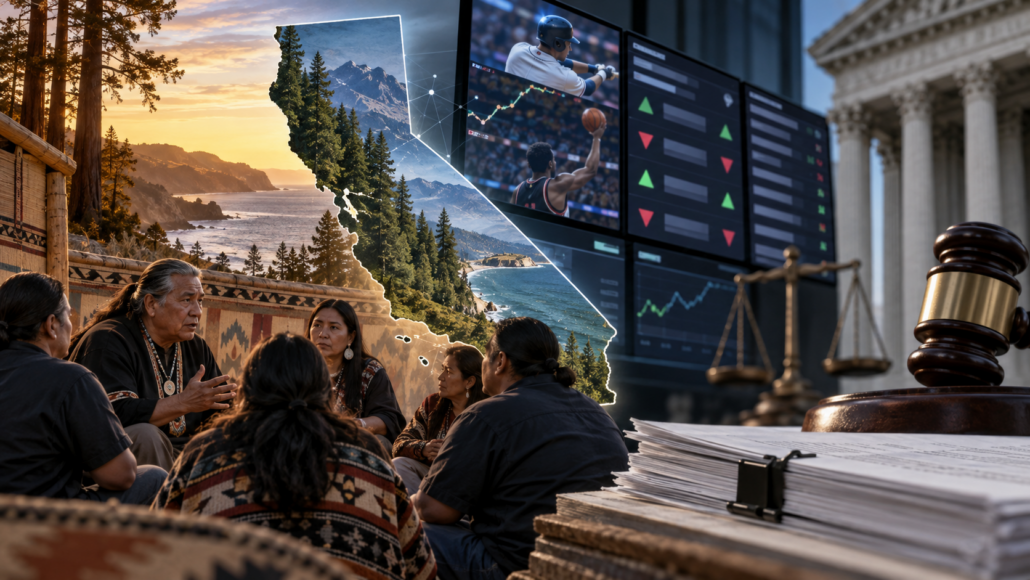
California Prediction Market Battle: Tribes Seek Local Allies
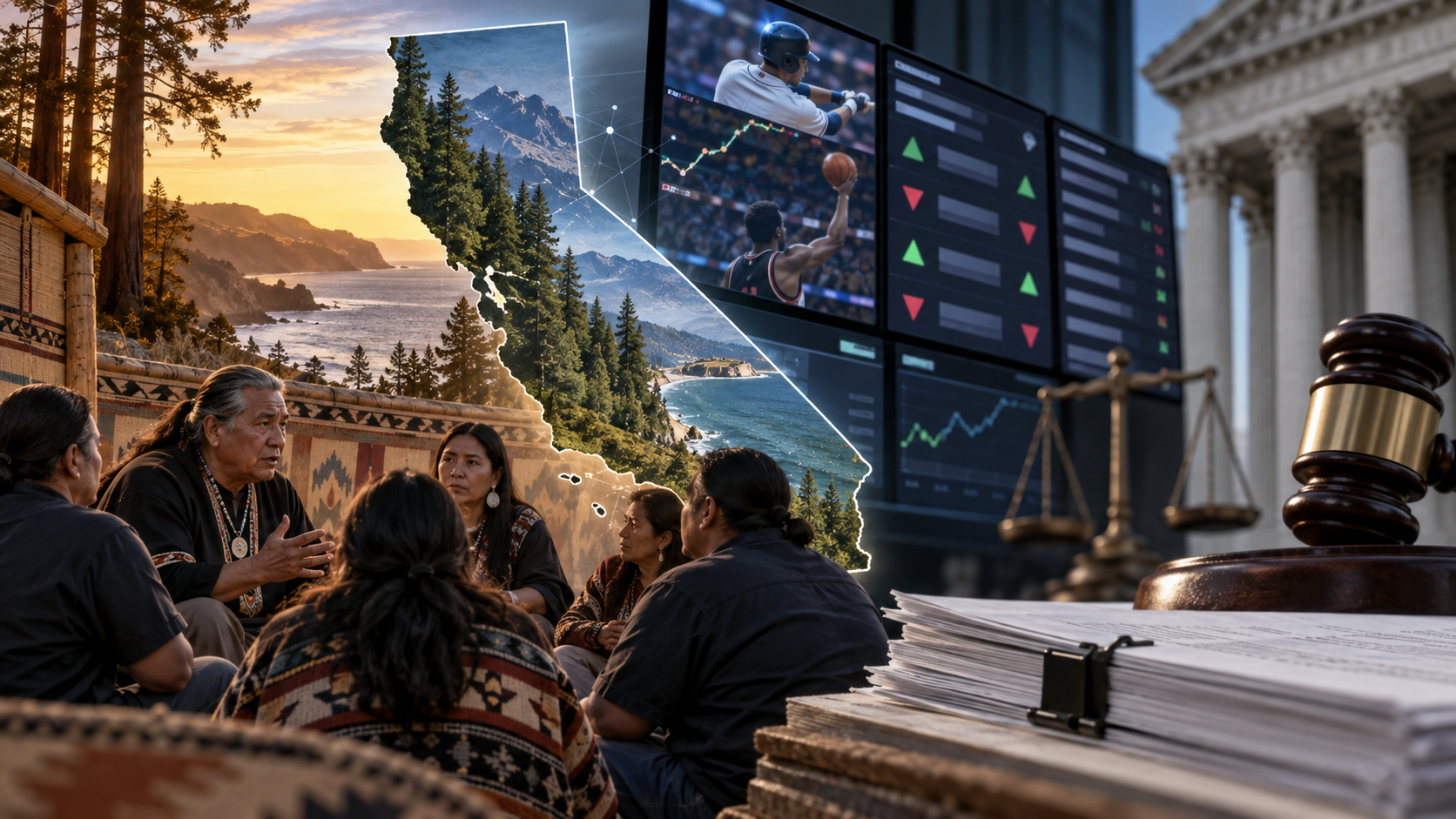
California Prediction Market Battle: Tribes Seek Local Allies
California prediction market battle is the focus of this U.S. casino and gambling news briefing. The report is based on California: Gaming tribes urged to enlist city, county attorneys in prediction market battle, published by CDC Gaming Reports on September 23, 2026. This article keeps the source visible while adding context, terminology, and questions for readers following the wider market.
What the source report says
California: Gaming tribes urged to enlist city, county attorneys in prediction market battle Wednesday, September 23, 2026 7:44 PM Photo: CDC Gaming Chris Sieroty — Managing Editor, CDC Gaming View more Email, LinkedIn, and more Share this article United States California Tribal Gaming Uncategorized Crypto.com Kalshi Legal Prediction markets Robinhood Kalshi’s decision to seek a rehearing of a federal appeals court ruling is likely to fail, according to a veteran gaming attorney. Earlier this month, the U.S. Circuit Court of Appeals in San Francisco ruled that two federally recognized tribes deserved a preliminary injunction, because they would likely show that Kalshi’s contracts violated the Indian Gaming Regulatory Act (IGRA) and the tribes’ own gaming regulations. Kalshi has filed for an en banc hearing on the ruling that benefitted the Blue Lake Rancheria and Chicken Ranch Rancheria in their legal effort to block prediction markets from offering sports-event contracts. The ruling came on the heels of a Ninth Circuit ruling in favor of the Nevada Gaming Control Board (NGCB), which successfully banned Kalshi and other prediction markets from offering the same contracts in the state. “They’ve already lost 6 out of 6 judges, but I think the goal there for Kalshi is to disincentivize or deter some of the states out west, such as California, from pursuing any kind of civil or criminal enforcement action,” said gaming attorney Daniel Wallach. Wallach explained that if the Ninth Circuit ruling remains something less than final, perhaps other states won’t take aggressive action like Nevada, Washington, Maryland, and Massachusetts have done. “I think that’s their motivation,” Wallach said. “At the end of the day, the prediction markets mostly care about California and Texas. How does that change the landscape a little out th
The source account describes a specific development rather than a complete picture of the national industry. Its details should be read in sequence: what was announced or alleged, who made the statement, which jurisdiction or company is involved, and what action has actually occurred. Those distinctions matter when a report involves a transaction, court dispute, regulatory concern, event, technology partnership, or consumer story.
Why California prediction market battle matters
Prediction-market stories sit at the intersection of financial-market language, gambling policy, consumer protection, and state or tribal authority. A contract’s label does not by itself answer whether it is lawful or how it should be supervised.
For operators and suppliers, the immediate question is how the reported development interacts with compliance, customer experience, workforce decisions, technology, or capital plans. For regulators and public officials, the relevant evidence may include authority, disclosure, public records, and whether safeguards are working. Consumers should ask what product, property, contract, event, or proposal is involved and whether anything they can legally do today has changed.
U.S. gambling markets are not one uniform system. State laws, tribal compacts, licensing conditions, tax rules, advertising standards, court decisions, and responsible-gambling expectations can produce different outcomes in neighboring jurisdictions. A development in one state or company should not be presented as proof that every operator, bettor, casino, or prediction market faces the same conditions.
What to watch next
The next useful evidence may come from an official filing, regulator notice, court docket, company update, event organizer, or later report. Until that evidence appears, the most accurate approach is to describe the current development narrowly, identify what remains uncertain, and avoid turning a single report into a prediction.
The practical follow-up is to compare the source with the relevant official materials. For this topic, useful context is available from Commodity Futures Trading Commission and National Indian Gaming Commission. These sources may clarify a filing, regulator position, legislative status, event detail, or support resource, but they do not turn this report into legal, tax, investment, or clinical advice.

Related reading
Readers can start with the original report and the official context above. Related coverage on this site includes What Makes a Casino Technology Partnership Worth It?, What Makes a Casino Technology Partnership Worth It?, Lottery Courier Services – How Lottery Services Impact Jackpot Integrity: Lessons from the Texas Investigation. Internal links provide additional reading and are not endorsements of an operator, promotion, investment, event, or wager.
FAQ
Does this report change gambling rules everywhere in the United States?
No. Casino, lottery, sports-betting, and prediction-market rules depend on state law, tribal authority, licensing conditions, court decisions, and regulator guidance. A company announcement or state action does not automatically apply nationwide.
What should readers verify before acting on this news?
Check the original source, publication date, relevant agency or organization, current terms, and whether the information is a proposal, estimate, allegation, preview, vote, order, or completed action. Use current official materials for legal, tax, or financial questions.
How can gambling stay recreational?
Set a budget and time limit before play, take breaks, and treat gambling as entertainment rather than income. If it stops feeling manageable, contact a qualified gambling-support service.
Responsible gambling: Gambling involves risk and is not a guaranteed way to make money. Only participate where legal, use funds you can afford to lose, set time and spending limits, avoid chasing losses, and seek qualified support if gambling affects your finances, relationships, or wellbeing. The National Council on Problem Gambling provides confidential information and support.
Original source: California: Gaming tribes urged to enlist city, county attorneys in prediction market battle from CDC Gaming Reports. This is an original summary and context piece based on that report.