


Mathematics Of Slot Machines – The Mathematics Behind Slot Machines: How Randomness Works
Introduction
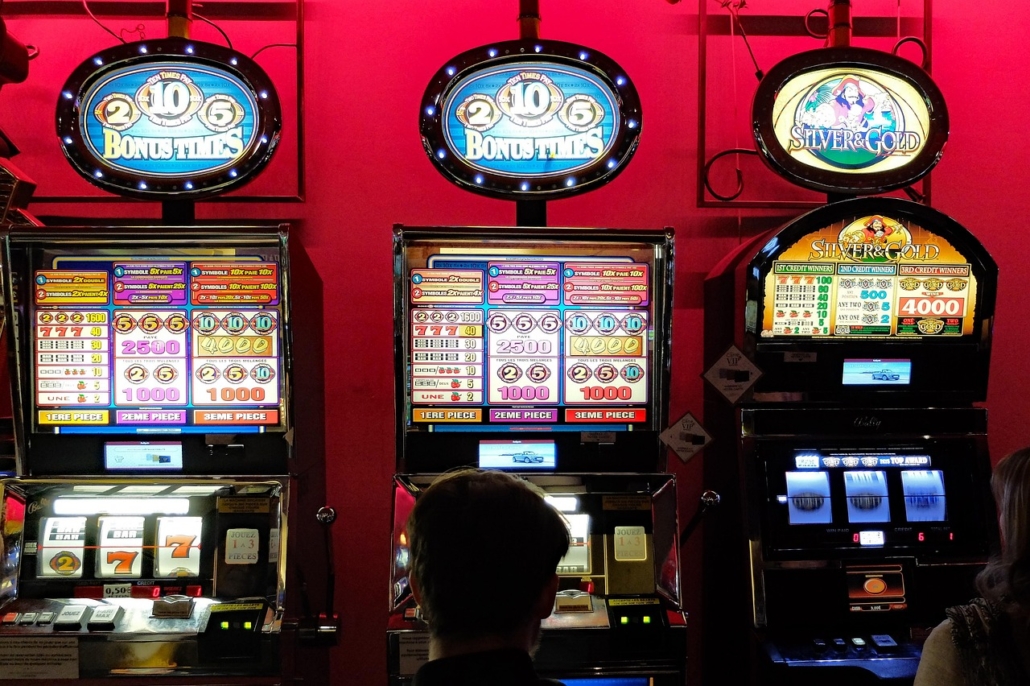
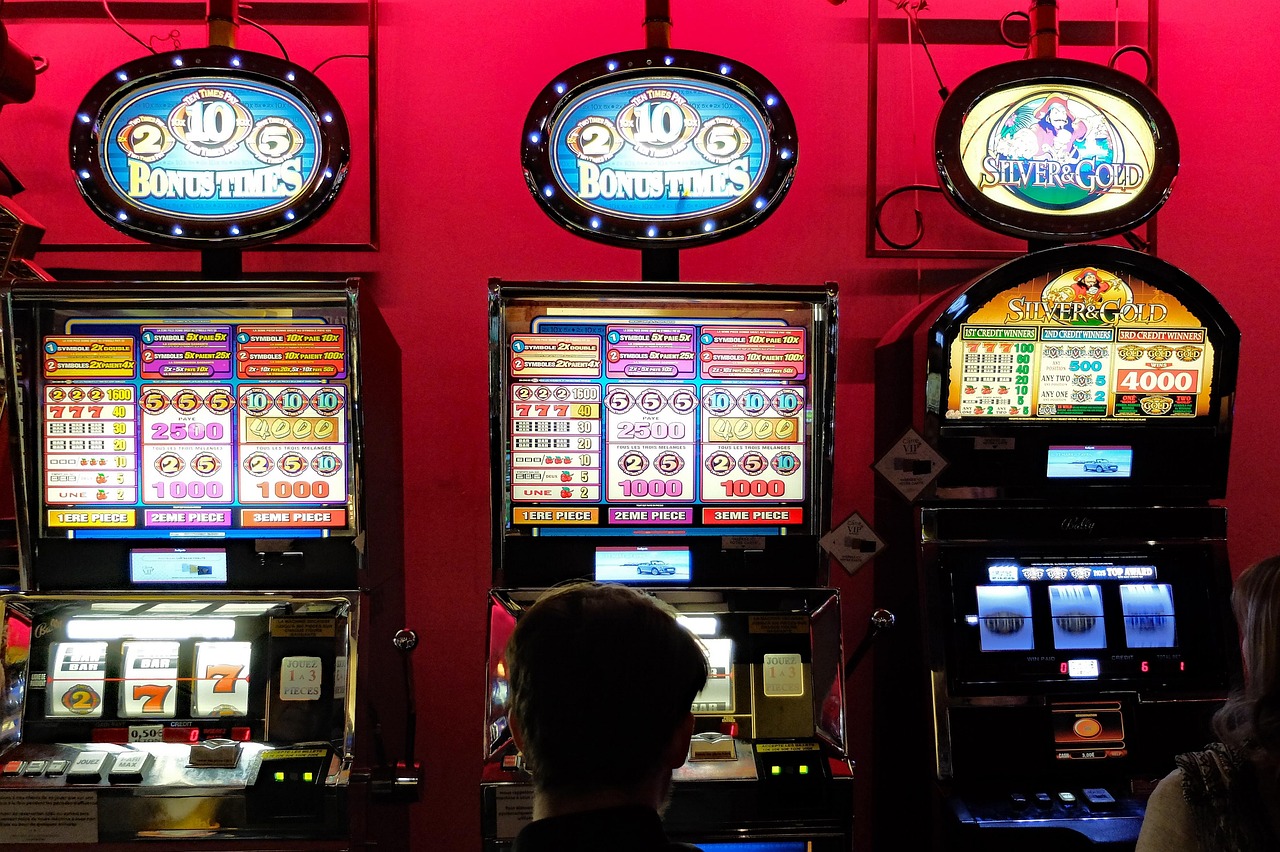
The mathematics of slot machines plays a critical role in how players understand randomness and probabilities in gambling. Slot machines are a staple in casinos worldwide, featuring vivid graphics and the promise of life-changing jackpots. But behind their enchanting exterior lies a complex world of mathematics and probability. Understanding how randomness works in slot machines can not only enhance your gaming knowledge but also provide insight into the gaming industry’s operations.
The Basics of Slot Machines
Slot machines operate based on a set of rules governed by mathematics. At their simplest, they consist of a random number generator (RNG) and several reels that spin when activated. Each time a player pulls the lever or presses the button, the RNG generates a sequence of numbers to determine the symbols that land on the reels.
What is an RNG?
A random number generator is a critical component of modern slot machines. It ensures that each spin is independent and random. For a detailed explanation, you can refer to the Gambling.com.
Understanding Paylines and Payouts
The design of a slot machine involves multiple paylines, which are the lines where winning combinations can occur. The amount a player wins is determined by the type of symbols matched and the total number of paylines activated.
Types of Paylines
- Traditional Paylines: Horizontal lines that cut across the reels.
- Diagonal Paylines: Lines that run at angles.
- Cluster Paylines: Winning combinations can be formed by groups of symbols.
The House Edge: How It Works
The house edge refers to the built-in advantage that casinos have over players. This percentage represents how much of all wagers will be retained by the casino in the long run. On slot machines, the house edge can vary significantly, often ranging from 1% to 15%.
Calculating the House Edge
The house edge is influenced by several factors:
- The number of symbols on the reels.
- The odds of hitting a winning combination.
- The payout percentages of various symbols.
The Role of Variance and Volatility
Variance (or volatility) describes the risk associated with a slot machine. Low variance slots pay out smaller wins more frequently, while high variance slots offer larger payouts at bigger intervals.
Assessing Variance
Players can choose slots based on their variance preference:
- Low Variance: Frequent but smaller wins.
- Medium Variance: Balanced frequency and payout size.
- High Variance: Rare wins with the potential for significant payoffs.
The Effect of Return to Player (RTP)
Return to Player (RTP) is a percentage that indicates how much money wagered on a slot machine will be paid back to players over time. For instance, a slot with a 95% RTP will return $95 for every $100 bet in the long term.

RTP and Casino Strategies
Casinos use RTP strategically to attract players. You can find detailed RTP information on various slot machines at Gaming.com.
The Illusion of Randomness
Slot machines are designed to give players the illusion of control and randomness. Many features, such as bonus rounds and free spins, enhance this perception, making players feel more engaged.
The Psychological Aspect of Slot Machines
Beyond mathematics, the design of slot machines plays on psychological factors. Sound effects, lights, and the thrill of potential wins can lead to addictive behavior among players. Understanding these elements can help players engage more responsibly.
Responsible Gambling Resources
If you or someone you know is struggling with gambling addiction, organizations like NCPG provide support and resources.
Conclusion
In conclusion, the mathematics behind slot machines encompasses randomness, house edge, variance, RTP, and psychological elements. Understanding these factors can help players make informed decisions and enjoy slot gaming responsibly.
Frequently Asked Questions
What is the house edge in slot machines?
The house edge represents the percentage of wagered money that casinos retain over time.
How does variance affect slot gameplay?
Variance indicates the risk level of a slot machine, influencing the frequency and size of payouts.
What is Return to Player (RTP)?
Return to Player (RTP) is a percentage that shows how much money wagered is expected to be paid back to players over time.

