


Smoke-Free Casinos Legislation – New Legislation Aimed at Transforming Commercial Gaming Venues into Smoke-Free Spaces in Pennsylvania

New Legislation Ignites Debate Over Smoking Bans in Pennsylvania Commercial Gaming Venues

Smoke-free casinos legislation is gaining traction in Pennsylvania, aiming to reshape the gaming environment for healthier spaces. While the landscape of leisure is evolving, smoking remains a prominent feature of the atmosphere within many Pennsylvania commercial gaming venues, accounting for a notable aspect of the guest experience. This preference for indoor smoking environments defines much of the local industry, though it is not universal; remarkably, only two establishments, Parx and Parx Shippensburg, operate as commercial gaming venues without the smoking allowance.

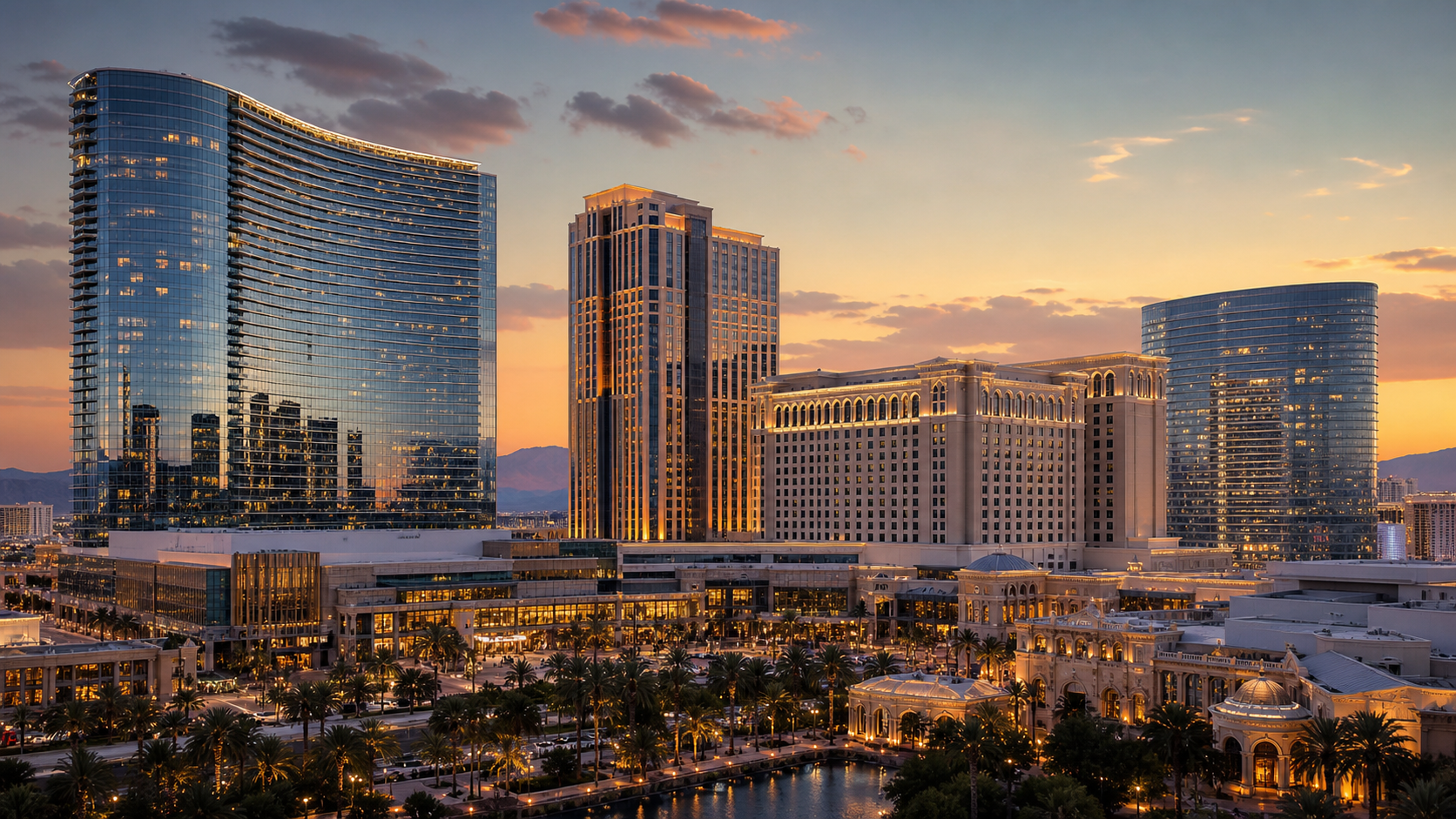
New Legislation Aimed at Transforming Commercial Gaming Venues into Smoke-Free Spaces in Pennsylvania - Image
Image by StockSnap from Pixabay

As one of just 16 states permitting indoor tobacco use at commercial gaming venues, Pennsylvania is at the center of a growing debate on health and safety. On June 11, 2024, State Representative Dan Frankel rallied support for his upcoming bill aimed at ending indoor casino smoking, partnering with the United Auto Workers Union. Frankel is set to reintroduce legislation to establish smoke-free casinos by 2025.

The Case for Smoke-Free Casinos

Rep. Dan Frankel (D-Allegheny), a staunch advocate for clean indoor air, has long championed the need for smoke-free environments in Pennsylvania’s casinos. He asserts that such policies benefit casino employees, patrons, and the overall health of the gaming industry.

Frankel highlights Parx Casino, located just north of Philadelphia, as a leading example. This facility is unique among Pennsylvania’s 17 brick-and-mortar casinos, boasting an entirely smoke-free environment while achieving impressive in-person gross gaming revenue (GGR) of approximately $569.7 million in 2024, far surpassing Wind Creek Bethlehem’s $535 million in the same year.

  • Parx GGR for 2024: $569.7 million
  • Wind Creek Bethlehem GGR for 2024: $535 million
  • Year-over-year decline for Parx in 2024: More than 3%
  • Wind Creek’s growth from 2023: Almost 2% increase

Legislative Efforts to Address Casino Smoking

During the 2024 legislative session, Frankel’s initiative aimed to amend Pennsylvania’s 2008 Clean Indoor Air Act to eliminate the loophole that permits smoking in casinos. After passing the House Health Committee, the bill stalled in further discussions. Frankel hopes that 2025 will usher in a renewed opportunity to introduce the Protecting Workers From Secondhand Smoke Act.

In communications to his colleagues, Frankel emphasized, “Pennsylvanians should not have to make a choice between their jobs and their health.” His proposal plans to widen the definition of smoking to include e-cigarettes, enhance protections for workers, and allow local jurisdictions to institute more rigorous smoke-free policies.

Frankel’s arguments reference data supporting the premise that smoke-free environments benefit casino operations. He mentioned Parx’s Chief Marketing Officer, Marc Oppenheimer, who reported that the casino’s ban on tobacco smoking has led to decreased healthcare costs and an increase in customer satisfaction and retention.

Frankel challenges the outdated notion that smoking bans harm economic viability, stating the evidence clearly contradicts such claims.

The Influence of the Casino Lobby

While the protection of workers could be seen as a non-partisan issue, the pervasive influence of the gaming lobby in Harrisburg continues to pose challenges to legislation aimed at prohibiting smoking in casinos. Casino executives argue that Parx’s success is due, in part, to its distinctive smoke-free offering, appealing to health-conscious gamblers in the competitive Philadelphia market.

Philadelphia and its suburbs host a range of casinos, including Live! Casino & Hotel, Harrah’s, Rivers, and Valley Forge, many of which permit smoking in designated areas. Pennsylvania’s Clean Indoor Air Act permits these casinos to allocate up to half of their gaming space for indoor cigarette and cigar smoking, which continues to engender debate among lawmakers and public health advocates alike.

Conclusion

As Pennsylvania gears up for the potential reintroduction of legislation aimed at abolishing smoking in casinos, the dialogue surrounding public health, workplace safety, and economic impact intensifies. The case of Parx Casino serves as a significant reference point, demonstrating that a smoke-free environment can yield considerable benefits, both for patrons and casino operators. The ongoing efforts by representatives like Dan Frankel reflect a broader push for healthier gaming spaces throughout the state.

Frequently Asked Questions

What is the goal of the smoke-free casinos legislation?

The goal is to create healthier gaming environments by eliminating indoor smoking in Pennsylvania’s casinos.

Which casinos in Pennsylvania are already smoke-free?

Only Parx and Parx Shippensburg currently operate as smoke-free casinos in Pennsylvania.

What challenges does the legislation face?

The casino lobby’s influence poses a significant challenge to passing smoke-free legislation in the state.

Rhode Island casino revenue reaches $51.6 million in June

Rhode Island casino revenue reaches $51.6 million in June

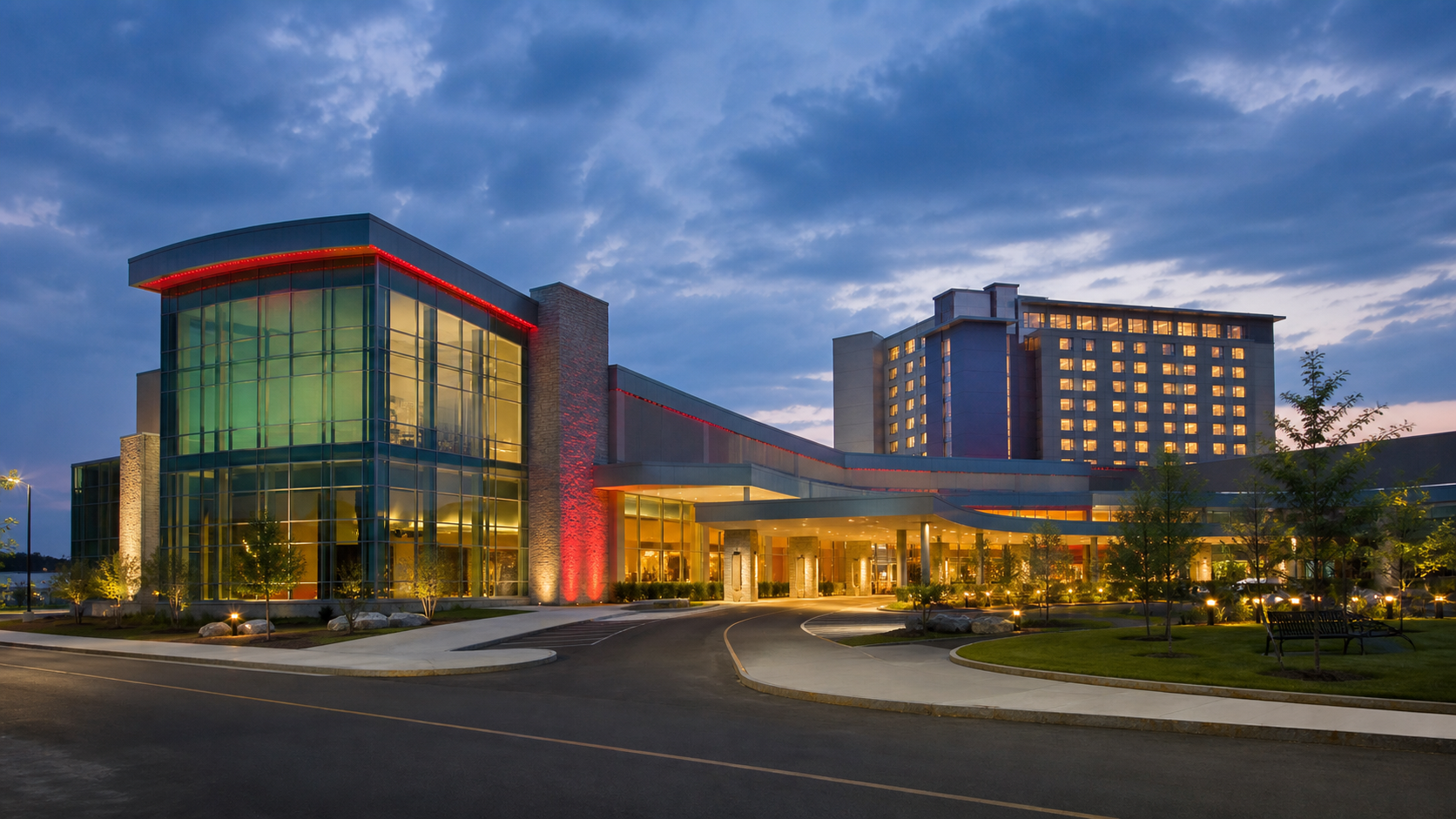
Rhode Island casino revenue US casino news illustration

Rhode Island casino revenue is the focus of this US casino-news update after CDC Gaming Reports: Lincoln tops Tiverton in June gaming revenue at Rhode Island's two casinos reported a development involving the American gambling, sports, hospitality, or gaming-technology market. The report is specific, but it also raises a broader question about how operators, regulators, teams, and customers respond when a fast-moving story reaches a public audience.

What the source reported

CDC Gaming Reports, citing Rhode Island Lottery figures, said Bally’s Lincoln and Bally’s Tiverton generated a combined $51.6 million in June. That was 0.3% lower than the same month a year earlier. Slot revenue made up $42 million and rose 0.4%, while table-game revenue was $9.6 million and fell 2.9%. Lincoln produced $39.7 million, up 1.2% year over year, including $32 million from slots and $7.7 million from table games. Tiverton generated $12 million, down 4.8%, with slot revenue down 8.7% to $10.1 million while table games rose 23.8% to $1.9 million.

The original report is the starting point for this article, not a substitute for an official filing, court order, regulator notice, or final company announcement. The difference matters. An earnings report records a period that has ended, a proposal can change before approval, and an arrest or lawsuit describes allegations that still have to move through a legal process. Readers should keep those categories separate when sharing or acting on the news.

Why this matters for the US market

The split between the two properties shows why a statewide total can hide different local trends. Lincoln’s increase and Tiverton’s decline occurred in the same month and under the same state framework. Slot and table performance also moved in different directions, so the headline total should be read as a snapshot rather than a verdict on every casino product.

The United States is not one uniform casino or betting market. State laws, tribal arrangements, licensing conditions, taxes, age rules, advertising standards, and product definitions can differ substantially. A story about a Nevada resort, a Florida tribal property, an Iowa opening, a Maryland revenue report, or a New York partnership may have national interest while still producing local consequences. That is why a careful reader checks the jurisdiction and the organization with authority over the activity.

There is also a customer-experience issue. New entertainment, sports events, technology, and financial results can make a market look exciting, but excitement is not the same as value. Operators must balance demand with compliance, staffing, customer support, and transparent terms. Customers should make the same distinction: a new product or a large headline does not guarantee a win, a refund, a tax outcome, or a better offer.

What readers should watch next

The next useful comparison is the state’s July data and the direction of slot and table revenue separately. Readers should also check official Rhode Island Lottery releases for definitions, reporting periods, and any adjustments. Revenue figures describe operator activity; they do not show that an individual customer won or that gambling is a reliable way to make money.

For the most reliable follow-up, use the official sources below and look for dated updates rather than recycled headlines:

Related coverage

Existing coverage on this destination site can add local context. These links are provided for information and are not endorsements:

FAQ

What is the main takeaway from this Rhode Island casino revenue story?

The main takeaway is that a single news event needs context. Check what has actually been confirmed, which jurisdiction applies, and whether the next step is a filing, approval, hearing, opening, rollout, or follow-up report. Avoid turning a forecast or allegation into a certainty.

Does this news mean customers should place a bet?

No. News can explain a market, but it is not personal financial advice and it cannot predict an individual result. Check legality, read the market rules, and decide on a fixed entertainment budget before taking part.

Responsible gambling

Gambling involves risk and is not a way to make guaranteed income. Only participate where legal, set a budget and time limit before you begin, avoid chasing losses, and take breaks. If gambling is becoming difficult to control or is affecting your finances, relationships, or wellbeing, contact a qualified gambling-support service in your area.

Original source: CDC Gaming Reports: Lincoln tops Tiverton in June gaming revenue at Rhode Island's two casinos. This article is an original summary and analysis for a US audience; it does not replace legal, financial, medical, tax, or regulatory advice.

MGM Resorts Q2 revenue rises as Las Vegas and digital operations diverge

MGM Resorts Q2 revenue rises as Las Vegas and digital operations diverge

MGM Resorts Q2 revenue US casino news illustration

MGM Resorts Q2 revenue is the focus of this US casino-news update after CDC Gaming Reports: MGM's Q2 revenue up on solid Las Vegas performance reported a development involving the American gambling, sports, hospitality, or gaming-technology market. The report is specific, but it also raises a broader question about how operators, regulators, teams, and customers respond when a fast-moving story reaches a public audience.

What the source reported

CDC Gaming Reports said MGM Resorts International posted $4.5 billion in second-quarter 2026 revenue, up 1% year over year. Net income attributable to MGM was $292 million, compared with $49 million in the prior-year quarter, while consolidated Adjusted EBITDA was $610 million versus $648 million. Las Vegas Strip resorts produced $2.2 billion, up 3%, and regional operations reached $924 million, down 4%. MGM Digital revenue was $196 million, a 20% increase, although the segment reported an Adjusted EBITDAR loss of $31 million.

The original report is the starting point for this article, not a substitute for an official filing, court order, regulator notice, or final company announcement. The difference matters. An earnings report records a period that has ended, a proposal can change before approval, and an arrest or lawsuit describes allegations that still have to move through a legal process. Readers should keep those categories separate when sharing or acting on the news.

Why this matters for the US market

The figures are a useful reminder that a large casino company can show growth and pressure at the same time. Las Vegas, regional properties, digital operations, and MGM China do not respond to the same customer patterns or cost base. Revenue growth therefore needs to be read alongside profitability, segment performance, and investment plans rather than used as a single scorecard.

The United States is not one uniform casino or betting market. State laws, tribal arrangements, licensing conditions, taxes, age rules, advertising standards, and product definitions can differ substantially. A story about a Nevada resort, a Florida tribal property, a Kentucky lottery winner, a California technology installation, or a New York legal dispute may have national interest while still producing local consequences. That is why a careful reader checks the jurisdiction and the organization with authority over the activity.

There is also a customer-experience issue. New entertainment, sports events, technology, and financial results can make a market look exciting, but excitement is not the same as value. Operators must balance demand with compliance, staffing, customer support, and transparent terms. Customers should make the same distinction: a new product or a large headline does not guarantee a win, a refund, a tax outcome, or a better offer.

What readers should watch next

Investors and industry readers should look for the next reporting cycle, changes in regional demand, and whether digital growth can narrow its operating loss. Customers should not treat a company’s revenue result as evidence that a particular promotion, game, or betting product is good value. Corporate performance and individual gambling outcomes are separate questions.

For the most reliable follow-up, use the official sources below and look for dated updates rather than recycled headlines:

Related coverage

Existing coverage on this destination site can add local context. These links are provided for information and are not endorsements:

FAQ

What is the main takeaway from this MGM Resorts Q2 revenue story?

The main takeaway is that a single news event needs context. Check what has actually been confirmed, which jurisdiction applies, and whether the next step is a filing, approval, hearing, opening, rollout, or follow-up report. Avoid turning a forecast or allegation into a certainty.

Does this news mean customers should place a bet?

No. News can explain a market, but it is not personal financial advice and it cannot predict an individual result. Check legality, read the market rules, and decide on a fixed entertainment budget before taking part.

Responsible gambling

Gambling involves risk and is not a way to make guaranteed income. Only participate where legal, set a budget and time limit before you begin, avoid chasing losses, and take breaks. If gambling is becoming difficult to control or is affecting your finances, relationships, or wellbeing, contact a qualified gambling-support service in your area.

Original source: CDC Gaming Reports: MGM's Q2 revenue up on solid Las Vegas performance. This article is an original summary and analysis for a US audience; it does not replace legal, financial, medical, tax, or regulatory advice.