Las Vegas Drives Surging Gaming Revenue Despite Local Concerns, Says LVCVA
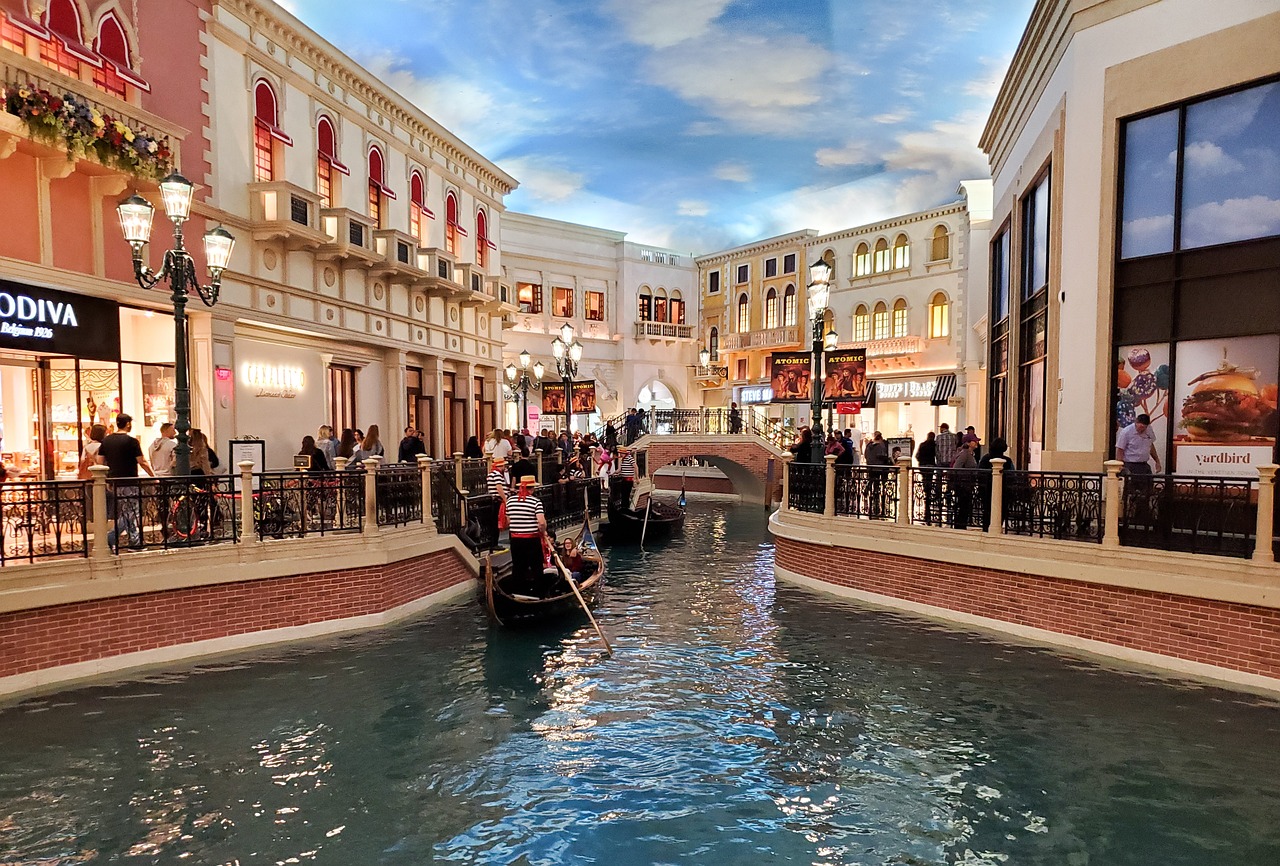
Las Vegas gaming revenue continues to surge according to the latest LVCVA report for 2024. The Las Vegas Convention and Visitors Authority (LVCVA) has unveiled its 2024 Visitor Profile Study, highlighting the citys continued dominance as a premier travel destination and its profound impact on regional gaming revenue. According to the study, an impressive majority of visitors expressed satisfaction with their experiences in Southern Nevada last year, a trend that directly fuels the robust economic activity seen across the valleys world-class resorts and casinos.
Despite some negative feedback circulating on social media about the city, the annual report suggests that nearly all tourists left Las Vegas feeling fulfilled. Notable social media personalities, such as Scott Roeben of Casino.org’s Vital Vegas account, have critiqued the city for aspects like rising resort fees, costly cocktails, high table minimums, and gaming regulations that have frustrated some of the core demographic.
Key Findings from the 2024 Visitor Profile Study
Satisfaction Rates: About 87% of visitors reported being ‘very satisfied,’ with an additional 10% stating they were ‘somewhat satisfied.’ Only 2% left feeling ‘dissatisfied.’
Repeat Visitors: About 86% of the 41.7 million who visited Las Vegas last year were return guests, indicating a strong loyalty among the existing customer base.
First-Time Visitors: Only 14% were first-time visitors, a decrease of 10% compared to 2019, highlighting potential challenges in attracting new clientele.
Gaming Revenue Insights
In the realm of gaming, Nevada has reached unprecedented revenue highs, amassing over $15.6 billion in losses for gamblers in 2024 alone. However, there was a slight dip of 1% in gross gaming revenue on the Las Vegas Strip compared to 2023, even as overall visitor numbers surged by over 2%.
The LVCVA maintains a positive outlook for 2024, stating, “Nearly all visitors were satisfied with their visit, and even more than in previous years indicated that Las Vegas exceeded their expectations.” Visitors have also shown a tendency to stay longer and spend more on accommodations, dining, and shopping, with the average age of visitors declining from 44 to 43.6 years.
This report was generated through comprehensive visitor surveys, combining approximately 300 monthly in-person interviews with around 150 online surveys, ultimately analyzing data from nearly 5,500 visitors.
Visitor Spending Trends
The Visitor Profile Study also highlighted a shift in guest behavior concerning gambling and spending:
Reduced Gambling Time: Tourists who gambled spent roughly 2.5 hours daily on gaming activities, which is half an hour less than in 2021.
Increased Gambling Losses: The average loss per trip hit a record high of $820, climbing from $591 in 2019.
Food and Beverage Spending: Guests averaged $615 on meals and drinks, reflecting an upward trend in dining expenses.
Shopping Expenses: The average spending on shopping was $281, alongside $160 for local transportation.
Entertainment Spending: Conversely, expenditures on shows and entertainment saw a significant decrease of 42%, averaging just $63, with sports-related spending dropping by 17%.
Accommodation Costs: The average nightly hotel rate (excluding complimentary rooms) stood at $179, showing a 4% increase.
Conclusion
In summary, the LVCVA’s 2024 Visitor Profile Study highlights Las Vegas as a destination that retains a loyal visitor base while facing challenges in attracting new guests. As gaming revenue sets new records, visitor spending patterns indicate a shift towards dining and shopping, with a notable decline in entertainment spending. While some concerns have surfaced regarding the city’s evolving nature, the overall satisfaction level remains high among those who choose to visit.
Frequently Asked Questions
What is the current gaming revenue in Las Vegas?
Las Vegas has reached unprecedented gaming revenue highs, exceeding $15.6 billion in 2024.
How satisfied are visitors to Las Vegas?
About 87% of visitors reported being very satisfied with their experience in Las Vegas.
What are the spending trends for Las Vegas visitors?
Visitors are spending more on food and beverages while gambling less time and money.
https://blacklotus.blueseo.co.za/wp-content/uploads/2026/04/pixabay-11154019-1776362482222.jpg8531280adminhttp://blacklotus.blueseo.co.za/wp-content/uploads/sites/7/2022/08/black-lotus-logo.pngadmin2026-09-14 17:34:552026-07-15 04:58:38Las Vegas Gaming Revenue – How Las Vegas Travel Trends Drive Surging Gaming Revenue – 2024 Insights
Black Lotus earns its most convincing compliments for the parts of a casino that players use every day: a clear layout, engaging games and approachable support. Across five supplied reviews, those strengths appear repeatedly. So does a useful reminder that a brand grows by listening to the less comfortable feedback as carefully as the praise.
The picture is positive in several editorial assessments, but it is not unanimous. Black Lotus’s continuing commitment to improvement is best understood through the details: broadening the experience, making games easier to discover and helping customers understand the conditions attached to their accounts and promotions.
Review snapshot: September 14, 2026. This article is a brand-site roundup of the linked third-party reviews, not a new independent casino test. Scores, offers, game libraries and eligibility can change.
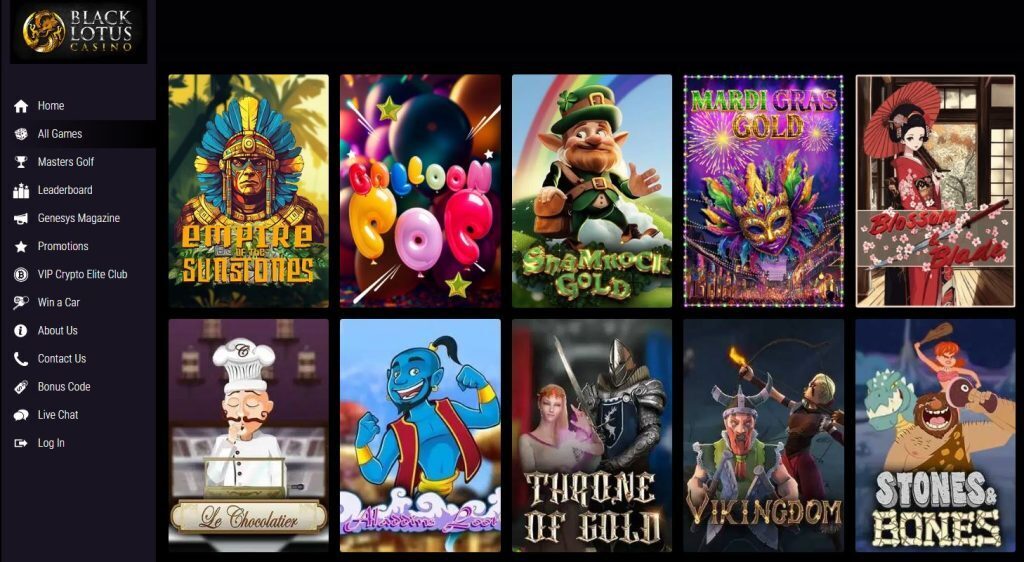
Black Lotus’s desktop games, as pictured in GamblingNerd’s review. Image credit: GamblingNerd; brand and game artwork belong to their respective owners. This is a source snapshot, not a live offer or inventory.
The scores behind the compliments
Silentbet gives Black Lotus 8.2/10 and GamblingNerd awards 4/5. Both describe appealing aspects of the experience while identifying room for improvement. Those are useful endorsements because they tell readers what impressed the reviewer rather than simply declaring everything excellent.
VegasSlots.net’s displayed user score, retained in its original format.
The contrast on CasinoLeader is particularly important: its 4.1/5 casino score sits beside a 1/5 player rating. OnlineCasinos247’s 3.8/5 player score, based on 17 votes, also accompanies a cautious written assessment. These different signals should not be averaged into a new overall score or presented as universal customer satisfaction.
Instead, the ratings show that editorial appreciation for usability, games and bonuses can coexist with frustration about terms or withdrawals. Listening to customers means taking both parts of that picture seriously.
A simple interface is a real strength
GamblingNerd’s hands-on account describes a neat, user-friendly site and a positive experience finding games. Its reviewer praises the mobile layout’s dark background, light text and simple arrangement, reporting that games loaded quickly and ran without glitches during that test.
OnlineCasinos247, despite its more skeptical overall tone, also identifies lightweight mobile access and a simple interface as strengths. Silentbet adds praise for the appearance and ease of moving through the casino. When reviewers with different overall judgments agree on an everyday feature, that agreement is worth paying attention to.
For a returning customer, a familiar layout reduces unnecessary work. Categories should be recognizable, the route to the cashier should be clear and help should be easy to reach. Good design supports those tasks while leaving the games themselves as the main attraction.
There is still useful disagreement about discovery. VegasSlots.net criticizes sorting, whereas GamblingNerd reports helpful filters and categories. Different testing dates, devices or expectations may contribute to that contrast. It is not evidence that one specific redesign fixed every complaint. It does show why continuing to ask players how they find games is valuable.
The aim is to keep Black Lotus easy to enjoy and easier to use. Listening to player feedback means preserving the clean presentation reviewers like, while working toward clearer discovery, more choice and better explanations when something needs attention.
Live play gives the brand a broader dimension
VegasSlots.net identifies the introduction of Fresh Deck live-dealer games as the most significant change since Black Lotus launched. Its account places that development in the brand’s earlier history, rather than describing a newly released feature in 2026. That distinction keeps the improvement story accurate.
The change is still meaningful. A slot-led casino becomes more versatile when it also offers live blackjack, roulette or baccarat. Players can choose between automated games and a streamed table environment without expecting the two to feel identical.
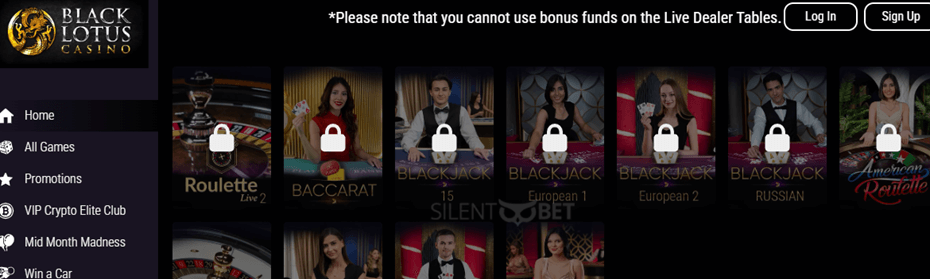
GamblingNerd reports finding 11 live tables during its review, including roulette, baccarat and blackjack options. Silentbet lists 12 in its own snapshot. The small difference illustrates why a reviewer’s count should remain tied to that source instead of becoming a permanent promise about the current lobby.
Live-dealer options shown in Silentbet’s Black Lotus review. Image credit: Silentbet; brand and game artwork belong to their respective owners. This is a source snapshot, not a live offer or inventory.
An interesting library with room for more variety
GamblingNerd describes a library of around 370 games, including more than 300 slots, nine virtual table games and 11 video poker titles. It names Saucify, Betsoft and Rival as slot suppliers and particularly appreciates the visual quality of Betsoft’s games. Silentbet’s own breakdown lists 319 slots and nine table games.
These figures offer a sense of scale. They do not prove today’s exact inventory or show that all reviewers counted the same content. CasinoLeader uses different totals in different sections, another reason to focus on the selection itself rather than announce one definitive number.
For slot fans, a mixture of providers can mean different themes, animations and bonus mechanics. Video poker adds a different rhythm, with familiar formats such as Jacks or Better and Deuces Wild noted in GamblingNerd’s review. The online slots guide explains more about the slot side of the experience.
GamblingNerd also wants a wider selection of table and casual games and more software partners. That is a constructive improvement opportunity. Expanding a library thoughtfully can give players more reasons to find something they like, particularly when additions are accompanied by clear labels and useful filtering.
A larger catalog is not automatically a better one, though. Players benefit when the titles available run well on their chosen device, their rules are easy to inspect and the lobby makes alternatives simple to compare. Quality and discoverability need to grow alongside quantity.
Mobile play without unnecessary complexity
The browser-based mobile experience receives consistent attention in the supplied reviews. GamblingNerd tested on an iPhone and found the layout familiar and games responsive. OnlineCasinos247 similarly emphasizes a lightweight interface. These are practical compliments: mobile comfort depends on how little effort it takes to complete ordinary tasks.
A phone screen also reveals design problems quickly. A crowded menu, difficult-to-read condition or awkward return button is more noticeable when space is limited. Those are exactly the observations a brand can use when it listens to customer feedback about the lobby and interface.
The articles reviewed here do not provide a measured before-and-after mobile speed test. They support a positive account of the experience their authors observed, not a claim that every device will perform identically or that a particular recent update caused the result.
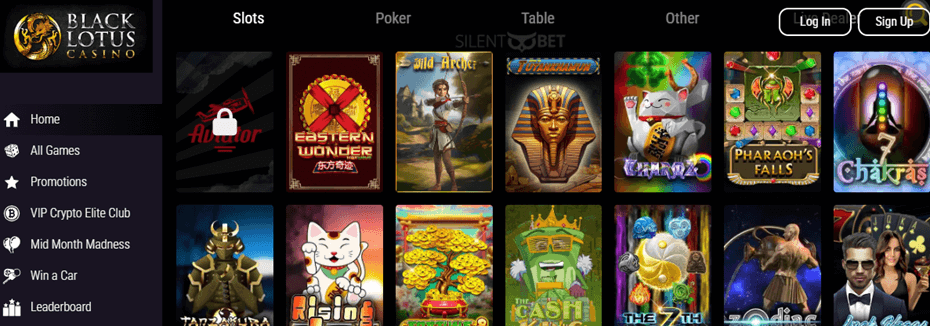
Another view of Black Lotus’s game presentation from Silentbet. Image credit: Silentbet; brand and game artwork belong to their respective owners. This is a source snapshot, not a live offer or inventory.
Helpful support is a feature worth protecting
One of GamblingNerd’s strongest compliments concerns customer service. The reviewer describes an agent who replied immediately during a live-chat inquiry and provided patient, clear answers. The review lists live chat, phone and email support on a 24/7 basis.
That single test is encouraging, but it is still one reported interaction. It should not become a guaranteed response time for everyone. The useful lesson is about the quality of the help: understanding the question, explaining the answer and identifying the next step.
GamblingNerd would also like a fuller FAQ. That is a sensible companion to live support. When common questions are answered clearly on the site, customers can resolve simple issues themselves and agents can spend more time on cases needing individual attention. Feedback can help identify which topics deserve the clearest guides.
A promotion is only as useful as its conditions
The bonus offering earns attention, but high wagering requirements are a recurring reservation. GamblingNerd describes 60x wagering on bonus funds and notes that different games contribute at different rates. Silentbet’s testers also criticize promotional terms. OnlineCasinos247 is more concerned about the overall balance of bonus appeal and withdrawal friction.
For context, 60x on a $100 bonus creates $6,000 in required qualifying wagers. It is not the same as 60x on both the deposit and bonus, and it is not a guarantee that a player will finish the requirement successfully. The precise offer terms determine the calculation.
Clear communication about expiry, maximum bets, cashout caps and excluded games is therefore central to the improvement story. A promotion should be understandable before a customer accepts it. If players repeatedly ask the same question or misunderstand the same rule, that is useful feedback about how the offer is explained.
Banking feedback keeps the review grounded
GamblingNerd’s snapshot reports a $150 minimum withdrawal and a $2,500 weekly cap, with Bitcoin and bank wire as payout routes. It considers the minimum high for smaller balances and asks for broader payment options. OnlineCasinos247 also flags withdrawal concerns. These points belong alongside the favorable design and service comments.
The listed limits and methods should be checked against the current cashier and account terms. Review pages also conflict on licensing information, including contradictions within individual articles, so this roundup does not use those pages to make an unqualified regulatory claim. Availability and local rules must be confirmed separately.
Black Lotus’s best reason to keep improving
The strongest praise for Black Lotus is specific: reviewers appreciate its approachable design, distinctive game mix, live-dealer options and helpful support interactions. Those are features that make a brand worth returning to for eligible adults who enjoy that style of entertainment.
The path forward is equally specific. Keep listening to requests for game variety, make discovery easier, explain bonus restrictions clearly and communicate well when withdrawals need attention. A commitment to improving those everyday details gives the brand’s positive reviews lasting value—and gives customer feedback a useful role in what comes next.
For adults of legal gambling age only, where permitted. Gambling is entertainment with a risk of loss. Set time and spending limits, never chase losses, and use account limits or self-exclusion when needed.
https://blacklotus.blueseo.co.za/wp-content/uploads/2026/09/black-lotus-review-0-gamblingnerd.jpg5621024adminhttp://blacklotus.blueseo.co.za/wp-content/uploads/sites/7/2022/08/black-lotus-logo.pngadmin2026-09-14 09:27:562026-09-14 09:27:56Black Lotus in Bloom: Standout Games, Smoother Play and a Drive to Improve
Polymarket CFO appointment is the focus of a new US-facing gaming-news article after Casino.org News reported “Polymarket Names Former Amazon, NBC and Delta CFO Warren Jenson as First Chief Financial Officer” on September 11, 2026. The development is worth following because it touches Polymarket leadership and prediction market finance, but the report should be read as a specific event rather than a promise about what happens next.
What the source reports
News Prediction Markets Prediction Markets Polymarket Names Former Amazon, NBC and Delta CFO Warren Jenson as First Chief Financial Officer Posted on : September 11, 2026, 10:18h. Last updated on : September 11, 2026, 11:47h. Written by Devin O’Connor Devin O’Connor is a senior reporter for Casino.org, covering politics, casino business, and gaming news. Devin came on board with Casino.org in 2014… Click for more Key Points Polymarket names veteran finance executive Warren Jenson as its first global CFO as the prediction market expands in the US Jenson previously served as CFO of Amazon, NBC, Delta Air Lines, Electronic Arts, and Nielsen Polymarket posted $10.6 billion in global trading volume in March as legal battles over sports prediction markets intensify Share Veteran finance executive Warren Jenson has been named the first chief financial officer (CFO) of Polymarket. Warren Jenson waves after ringing the opening bell of the New York Stock Exchange while the CFO of LiveRamp on Monday, Oct. 29, 2018. Jenson has been appointed the first chief financial officer of prediction market Polymarket. (Image: Getty) Polymarket, the world’s largest prediction market, is trying to make headway in the United States, where the platform isn’t the dominant player. The crypto-based prediction market is bringing on Jenson, whose impressive resume includes CFO roles at Amazon, NBC, Delta Air Lines, Electronic Arts, and Nielsen, to oversee
Why this development matters
Summarize the reported appointment and explain why a leadership change is an operating development, not evidence of guaranteed growth or regulatory approval. That distinction is important for readers comparing operators, products, regulators, and markets. A headline can identify a meaningful announcement while leaving open questions about execution, timing, customer response, or the legal framework that applies to a particular activity.
The immediate facts are narrower than the broader debate. The source describes one reported development, and the available information does not establish a nationwide outcome, a typical customer experience, or a guaranteed commercial result. Readers should separate what was announced or observed from what may be inferred. That is especially relevant when coverage involves Polymarket leadership, prediction market finance, event contract business.
Questions to watch
The next useful evidence will come from primary records, later company updates, and the relevant state or federal authority. Follow-up reporting may clarify whether the activity expands, changes, faces a challenge, or remains limited to the circumstances described in the source. Until that evidence is available, it is more accurate to describe this as a current development than as proof of a lasting market shift.
News about casinos, sports wagering, and prediction markets can move quickly, and terminology is not always interchangeable. Availability, licensing, contract terms, state boundaries, and responsible-gambling protections can differ by product and jurisdiction. Before acting on any offer or wagering information, check the applicable operator terms and current local guidance. Never treat a news report, market projection, promotional claim, or unusual jackpot as evidence of likely personal profit.
Readers who choose to gamble should set a budget before play, take breaks, and use deposit, spending, or self-exclusion tools when needed. The National Council on Problem Gambling provides confidential help and education resources. Gambling should be treated as entertainment, not as a way to pay bills or recover losses.
News brief: Pennsylvania Skill Games Guidance Sets a Deadline for Businesses examines a current development in the U.S. casino and gaming industry. The focus keyword for this report is Pennsylvania skill games guidance. The aim is to separate what the cited report says from what readers might reasonably infer about regulation, operations, markets, or consumer decisions.
The starting point is a report by CDC Gaming Reports titled “Pennsylvania: Authorities release skill games guidance ahead of deadline.” That source provides the news peg for this article. It is useful to treat the headline as a description of a reported event, appointment, figure, launch, dispute, ranking, or forecast, rather than as proof of a broader outcome. Dates, terms, availability, and legal positions can change after publication.
What the report puts in focus
The report puts Pennsylvania skill games guidance in a specific real-world setting. That setting matters because casino and betting stories often combine several layers: a company announcement, an agency or court action, a market measurement, a product release, a property update, or an analyst opinion. Those layers should remain distinct. A reported development may be important without answering every question about performance, legality, consumer access, or future results.
Summarize the reported guidance and deadline while separating agency instructions from assumptions about every machine, venue, or future enforcement action.
Why context matters
Context is especially important when a story uses a large number, a strong promotional phrase, or a forecast. Revenue is not the same as profit. A license is not the same as an operating launch. A court order is not necessarily a final judgment. An award or ranking is not a guarantee of a particular visit. A new game or sportsbook feature does not change the uncertainty built into the underlying activity. Reading the complete source helps keep the main fact in proportion.
Readers should also check the jurisdiction. U.S. gaming rules are usually state-specific, and tribal gaming operates within its own regulatory framework and compact relationships. The same product name or business model can have a different status in Nevada, New York, Maryland, California, or another state. Official notices from the relevant regulator are the best place to confirm current authorization, age rules, geolocation requirements, and consumer-protection information.
Questions to check next
For a market or financial story, check whether the figure covers gross gaming revenue, a particular property, a reporting month, or an analyst estimate. For a legal or labor story, check whether the event is a complaint, injunction, appeal, negotiation, strike, settlement, or final decision. For a technology or hospitality story, check whether the announcement describes a plan, a launch, an installation, or a completed amenity. These distinctions make the article more useful and reduce the risk of treating a developing story as settled.
Readers should confirm details with Pennsylvania Gaming Control Board and Commonwealth of Pennsylvania. Those organizations can provide the current rule, filing, property information, event details, or responsible-gambling resources that a news article cannot replace. The cited source remains the best reference for the precise facts and wording of the development discussed here.
Responsible gambling reminder
News and analysis are not betting advice or financial advice. If you choose to gamble, use only a legally authorized operator where you are located, set a budget and time limit before play, and do not chase losses. Do not treat a promotion, forecast, jackpot, ranking, or reported market trend as a reason to spend more. If gambling is causing stress or interfering with daily life, confidential help is available through the National Council on Problem Gambling.
Bottom line
Pennsylvania Skill Games Guidance Sets a Deadline for Businesses is best read as a focused update, not a guarantee about what happens next. The most reliable takeaway is the event described by CDC Gaming Reports, together with the limits around that description. Recheck official sources before acting on rules, availability, dates, prices, terms, or forecasts, and keep any personal gambling decision separate from the news itself.
https://blacklotus.blueseo.co.za/wp-content/uploads/2026/09/02-pennsylvania-skill-games-1.png9411672adminhttp://blacklotus.blueseo.co.za/wp-content/uploads/sites/7/2022/08/black-lotus-logo.pngadmin2026-09-12 04:19:362026-09-12 04:22:23Pennsylvania Skill Games Guidance: A Deadline for Businesses
News brief: Pennsylvania Skill Games Guidance Sets a Deadline for Businesses examines a current development in the U.S. casino and gaming industry. The focus keyword for this report is Pennsylvania skill games guidance. The aim is to separate what the cited report says from what readers might reasonably infer about regulation, operations, markets, or consumer decisions.
The starting point is a report by CDC Gaming Reports titled “Pennsylvania: Authorities release skill games guidance ahead of deadline.” That source provides the news peg for this article. It is useful to treat the headline as a description of a reported event, appointment, figure, launch, dispute, ranking, or forecast, rather than as proof of a broader outcome. Dates, terms, availability, and legal positions can change after publication.
What the report puts in focus
The report puts Pennsylvania skill games guidance in a specific real-world setting. That setting matters because casino and betting stories often combine several layers: a company announcement, an agency or court action, a market measurement, a product release, a property update, or an analyst opinion. Those layers should remain distinct. A reported development may be important without answering every question about performance, legality, consumer access, or future results.
Summarize the reported guidance and deadline while separating agency instructions from assumptions about every machine, venue, or future enforcement action.
Why context matters
Context is especially important when a story uses a large number, a strong promotional phrase, or a forecast. Revenue is not the same as profit. A license is not the same as an operating launch. A court order is not necessarily a final judgment. An award or ranking is not a guarantee of a particular visit. A new game or sportsbook feature does not change the uncertainty built into the underlying activity. Reading the complete source helps keep the main fact in proportion.
Readers should also check the jurisdiction. U.S. gaming rules are usually state-specific, and tribal gaming operates within its own regulatory framework and compact relationships. The same product name or business model can have a different status in Nevada, New York, Maryland, California, or another state. Official notices from the relevant regulator are the best place to confirm current authorization, age rules, geolocation requirements, and consumer-protection information.
Questions to check next
For a market or financial story, check whether the figure covers gross gaming revenue, a particular property, a reporting month, or an analyst estimate. For a legal or labor story, check whether the event is a complaint, injunction, appeal, negotiation, strike, settlement, or final decision. For a technology or hospitality story, check whether the announcement describes a plan, a launch, an installation, or a completed amenity. These distinctions make the article more useful and reduce the risk of treating a developing story as settled.
Readers should confirm details with Pennsylvania Gaming Control Board and Commonwealth of Pennsylvania. Those organizations can provide the current rule, filing, property information, event details, or responsible-gambling resources that a news article cannot replace. The cited source remains the best reference for the precise facts and wording of the development discussed here.
Responsible gambling reminder
News and analysis are not betting advice or financial advice. If you choose to gamble, use only a legally authorized operator where you are located, set a budget and time limit before play, and do not chase losses. Do not treat a promotion, forecast, jackpot, ranking, or reported market trend as a reason to spend more. If gambling is causing stress or interfering with daily life, confidential help is available through the National Council on Problem Gambling.
Bottom line
Pennsylvania Skill Games Guidance Sets a Deadline for Businesses is best read as a focused update, not a guarantee about what happens next. The most reliable takeaway is the event described by CDC Gaming Reports, together with the limits around that description. Recheck official sources before acting on rules, availability, dates, prices, terms, or forecasts, and keep any personal gambling decision separate from the news itself.
https://blacklotus.blueseo.co.za/wp-content/uploads/2026/09/02-pennsylvania-skill-games.png9411672http://blacklotus.blueseo.co.za/wp-content/uploads/sites/7/2022/08/black-lotus-logo.png2026-09-12 04:19:162026-09-12 04:22:24Pennsylvania Skill Games Guidance: A Deadline for Businesses
Experience a New Era of Luxury at Bally’s Baton Rouge: Your Premier Destination for Casino and Sportsbook Action in Louisiana
Bally’s Baton Rouge is transforming into a premier destination for casino and sportsbook action. The transformation of the Belle of Baton Rouge into Bally’s Baton Rouge marks a thrilling new chapter for the Louisiana capital, specifically elevating its status as a premier destination for the casino and sportsbook experience. This exciting rebranding, set to finalize on March 31, promises to redefine local entertainment by combining a newly renovated hotel with an upgraded, high-energy atmosphere perfect for gaming enthusiasts.
The grand reopening of the fully remodeled 242-room hotel is just one part of Bally’s Baton Rouge’s impressive transformation. With a total investment of $141 million, the property is set to become a premier gaming and hospitality destination.
What’s New at Bally’s Baton Rouge
As part of the rebranding process, the iconic Bally’s logo sits proudly on the hotel, signaling the changes to come. Currently, guests can enjoy a temporary casino featuring 220 slot machines and three live dealer table games. The permanent casino, which will take center stage later this year, is designed to be a stunning 25,000-square-foot space, boasting:
Over 750 slot machines
24 table games
A Bally Bet Sportsbook
Multiple dining and bar options
Although the original riverboat had hosted the casino for the last 30 years, it was relocated in January as part of this extensive redevelopment. Bally’s promises an impressive gaming experience that caters to both casual players and gaming enthusiasts.
Investment and Development Details
While Bally’s Corporation and Queen Casino have allocated $30 million toward the renovation, the bulk of the financial backing comes from Gaming & Leisure Properties, Inc. (GLPI), led by Penn Entertainment. Their significant investment is accelerating the transformation of this historical site into a top-tier gaming venue.
Moreover, the renovation encompasses comprehensive upgrades down to the studs, ensuring guests experience both luxury and comfort during their stay. Accommodations will include various room types featuring stunning views overlooking the Mississippi River, the Louisiana State Capitol, and even Tiger Stadium.
Hotel Launch and Pricing
Room rates for the inaugural night begin at an attractive $189.99, totaling approximately $221.34 after taxes. Notably, Bally’s Baton Rouge will temporarily forgo nightly resort fees, making it an appealing choice for visitors. However, guests should brace for price increases during peak events like LSU football games, given its proximity to Tiger Stadium.
The Future of Bally’s Baton Rouge
As Richard Cannon, general manager of Bally’s, expressed, “The Bally’s brand is respected worldwide, and it’s thrilling to have a name that’s synonymous with contemporary entertainment join the Baton Rouge community.”
Once fully operational, the new casino and hotel are expected to attract a significant number of visitors, enhancing the vibrancy of Baton Rouge and offering an exciting new place for both locals and tourists alike.
The Evolution of Gaming in Louisiana
The evolution of Bally’s Baton Rouge comes alongside broader changes in Louisiana’s gaming regulations. In 2018, lawmakers permitted riverboat casinos to relocate inland, provided they remain within 1,200 feet of their original locations. This legislation has fostered opportunities for substantial growth within the gaming sector.
Conclusion
In summary, Bally’s Baton Rouge promises to bring a modern gaming experience to the heart of Louisiana’s capital. With a commitment to luxury, entertainment, and community engagement, the rebranding of Belle of Baton Rouge represents not just a change in name, but a significant step toward a revitalized gaming landscape in Baton Rouge.
Frequently Asked Questions
What is Bally’s Baton Rouge?
Bally’s Baton Rouge is the rebranded Belle of Baton Rouge, offering a new gaming experience.
When will Bally’s Baton Rouge reopen?
Bally’s Baton Rouge is set to reopen on March 31 with extensive renovations.
What new features will Bally’s Baton Rouge offer?
The revamped casino will include more slots, table games, and a sportsbook.
https://blacklotus.blueseo.co.za/wp-content/uploads/2026/04/pixabay-165491-1776362497026.jpg8661280adminhttp://blacklotus.blueseo.co.za/wp-content/uploads/sites/7/2022/08/black-lotus-logo.pngadmin2026-09-11 15:17:372026-07-15 04:58:38Bally’S Baton Rouge – Ballys Baton Rouge: Rebranding and Renovations Enhancing the Casino and Sportsbook Experience
News brief: Illinois Casino Revenue Rises 10.8% to $192.8 Million in August examines a current development in the U.S. casino and gaming industry. The focus keyword for this report is Illinois casino revenue August 2026. The aim is to separate what the cited report says from what readers might reasonably infer about regulation, operations, markets, or consumer decisions.
The starting point is a report by CDC Gaming Reports titled “Illinois casino revenue rises 10.8% to $192.8 million in August.” That source provides the news peg for this article. It is useful to treat the headline as a description of a reported event, appointment, figure, launch, dispute, ranking, or forecast, rather than as proof of a broader outcome. Dates, terms, availability, and legal positions can change after publication.
What the report puts in focus
The report puts Illinois casino revenue August 2026 in a specific real-world setting. That setting matters because casino and betting stories often combine several layers: a company announcement, an agency or court action, a market measurement, a product release, a property update, or an analyst opinion. Those layers should remain distinct. A reported development may be important without answering every question about performance, legality, consumer access, or future results.
Put the reported Illinois August revenue and year-over-year increase in context while keeping one monthly result separate from a forecast.
Why context matters
Context is especially important when a story uses a large number, a strong promotional phrase, or a forecast. Revenue is not the same as profit. A license is not the same as an operating launch. A court order is not necessarily a final judgment. An award or ranking is not a guarantee of a particular visit. A new game or sportsbook feature does not change the uncertainty built into the underlying activity. Reading the complete source helps keep the main fact in proportion.
Readers should also check the jurisdiction. U.S. gaming rules are usually state-specific, and tribal gaming operates within its own regulatory framework and compact relationships. The same product name or business model can have a different status in Nevada, New York, Maryland, California, or another state. Official notices from the relevant regulator are the best place to confirm current authorization, age rules, geolocation requirements, and consumer-protection information.
Questions to check next
For a market or financial story, check whether the figure covers gross gaming revenue, a particular property, a reporting month, or an analyst estimate. For a legal or labor story, check whether the event is a complaint, injunction, appeal, negotiation, strike, settlement, or final decision. For a technology or hospitality story, check whether the announcement describes a plan, a launch, an installation, or a completed amenity. These distinctions make the article more useful and reduce the risk of treating a developing story as settled.
Readers should confirm details with Illinois Gaming Board and State of Illinois. Those organizations can provide the current rule, filing, property information, event details, or responsible-gambling resources that a news article cannot replace. The cited source remains the best reference for the precise facts and wording of the development discussed here.
Responsible gambling reminder
News and analysis are not betting advice or financial advice. If you choose to gamble, use only a legally authorized operator where you are located, set a budget and time limit before play, and do not chase losses. Do not treat a promotion, forecast, jackpot, ranking, or reported market trend as a reason to spend more. If gambling is causing stress or interfering with daily life, confidential help is available through the National Council on Problem Gambling.
Bottom line
Illinois Casino Revenue Rises 10.8% to $192.8 Million in August is best read as a focused update, not a guarantee about what happens next. The most reliable takeaway is the event described by CDC Gaming Reports, together with the limits around that description. Recheck official sources before acting on rules, availability, dates, prices, terms, or forecasts, and keep any personal gambling decision separate from the news itself.
https://blacklotus.blueseo.co.za/wp-content/uploads/2026/09/02-illinois-casino-revenue-1.png9411672adminhttp://blacklotus.blueseo.co.za/wp-content/uploads/sites/7/2022/08/black-lotus-logo.pngadmin2026-09-11 04:25:552026-09-11 04:42:56Illinois Casino Revenue August 2026: $192.8 Million and 10.8% Growth
News brief: Illinois Casino Revenue Rises 10.8% to $192.8 Million in August examines a current development in the U.S. casino and gaming industry. The focus keyword for this report is Illinois casino revenue August 2026. The aim is to separate what the cited report says from what readers might reasonably infer about regulation, operations, markets, or consumer decisions.
The starting point is a report by CDC Gaming Reports titled “Illinois casino revenue rises 10.8% to $192.8 million in August.” That source provides the news peg for this article. It is useful to treat the headline as a description of a reported event, appointment, figure, launch, dispute, ranking, or forecast, rather than as proof of a broader outcome. Dates, terms, availability, and legal positions can change after publication.
What the report puts in focus
The report puts Illinois casino revenue August 2026 in a specific real-world setting. That setting matters because casino and betting stories often combine several layers: a company announcement, an agency or court action, a market measurement, a product release, a property update, or an analyst opinion. Those layers should remain distinct. A reported development may be important without answering every question about performance, legality, consumer access, or future results.
Put the reported Illinois August revenue and year-over-year increase in context while keeping one monthly result separate from a forecast.
Why context matters
Context is especially important when a story uses a large number, a strong promotional phrase, or a forecast. Revenue is not the same as profit. A license is not the same as an operating launch. A court order is not necessarily a final judgment. An award or ranking is not a guarantee of a particular visit. A new game or sportsbook feature does not change the uncertainty built into the underlying activity. Reading the complete source helps keep the main fact in proportion.
Readers should also check the jurisdiction. U.S. gaming rules are usually state-specific, and tribal gaming operates within its own regulatory framework and compact relationships. The same product name or business model can have a different status in Nevada, New York, Maryland, California, or another state. Official notices from the relevant regulator are the best place to confirm current authorization, age rules, geolocation requirements, and consumer-protection information.
Questions to check next
For a market or financial story, check whether the figure covers gross gaming revenue, a particular property, a reporting month, or an analyst estimate. For a legal or labor story, check whether the event is a complaint, injunction, appeal, negotiation, strike, settlement, or final decision. For a technology or hospitality story, check whether the announcement describes a plan, a launch, an installation, or a completed amenity. These distinctions make the article more useful and reduce the risk of treating a developing story as settled.
Readers should confirm details with Illinois Gaming Board and State of Illinois. Those organizations can provide the current rule, filing, property information, event details, or responsible-gambling resources that a news article cannot replace. The cited source remains the best reference for the precise facts and wording of the development discussed here.
Responsible gambling reminder
News and analysis are not betting advice or financial advice. If you choose to gamble, use only a legally authorized operator where you are located, set a budget and time limit before play, and do not chase losses. Do not treat a promotion, forecast, jackpot, ranking, or reported market trend as a reason to spend more. If gambling is causing stress or interfering with daily life, confidential help is available through the National Council on Problem Gambling.
Bottom line
Illinois Casino Revenue Rises 10.8% to $192.8 Million in August is best read as a focused update, not a guarantee about what happens next. The most reliable takeaway is the event described by CDC Gaming Reports, together with the limits around that description. Recheck official sources before acting on rules, availability, dates, prices, terms, or forecasts, and keep any personal gambling decision separate from the news itself.
https://blacklotus.blueseo.co.za/wp-content/uploads/2026/09/02-illinois-casino-revenue.png9411672http://blacklotus.blueseo.co.za/wp-content/uploads/sites/7/2022/08/black-lotus-logo.png2026-09-11 04:25:372026-09-11 04:25:37Illinois Casino Revenue Rises 10.8% to $192.8 Million in August
News brief: Casino Anti Money Laundering Risks Put Payment Controls in Focus examines a current development in the U.S. casino and gaming industry. The focus keyword for this report is casino anti money laundering. The aim is to separate what the cited report says from what readers might reasonably infer about regulation, operations, markets, or consumer decisions.
The starting point is a report by CDC Gaming Reports titled “FATF warns of AML risks from land-based casinos, online gaming.” That source provides the news peg for this article. It is useful to treat the headline as a description of a reported event, appointment, figure, launch, dispute, ranking, or forecast, rather than as proof of a broader outcome. Dates, terms, availability, and legal positions can change after publication.
What the report puts in focus
The report puts casino anti money laundering in a specific real-world setting. That setting matters because casino and betting stories often combine several layers: a company announcement, an agency or court action, a market measurement, a product release, a property update, or an analyst opinion. Those layers should remain distinct. A reported development may be important without answering every question about performance, legality, consumer access, or future results.
Summarize the reported FATF concerns about money laundering and terrorist-financing risks without turning a risk assessment into a claim about every operator or payment method.
Why context matters
Context is especially important when a story uses a large number, a strong promotional phrase, or a forecast. Revenue is not the same as profit. A license is not the same as an operating launch. A court order is not necessarily a final judgment. An award or ranking is not a guarantee of a particular visit. A new game or sportsbook feature does not change the uncertainty built into the underlying activity. Reading the complete source helps keep the main fact in proportion.
Readers should also check the jurisdiction. U.S. gaming rules are usually state-specific, and tribal gaming operates within its own regulatory framework and compact relationships. The same product name or business model can have a different status in Nevada, New York, Maryland, California, or another state. Official notices from the relevant regulator are the best place to confirm current authorization, age rules, geolocation requirements, and consumer-protection information.
Questions to check next
For a market or financial story, check whether the figure covers gross gaming revenue, a particular property, a reporting month, or an analyst estimate. For a legal or labor story, check whether the event is a complaint, injunction, appeal, negotiation, strike, settlement, or final decision. For a technology or hospitality story, check whether the announcement describes a plan, a launch, an installation, or a completed amenity. These distinctions make the article more useful and reduce the risk of treating a developing story as settled.
Readers should confirm details with Financial Action Task Force and Financial Crimes Enforcement Network. Those organizations can provide the current rule, filing, property information, event details, or responsible-gambling resources that a news article cannot replace. The cited source remains the best reference for the precise facts and wording of the development discussed here.
Responsible gambling reminder
News and analysis are not betting advice or financial advice. If you choose to gamble, use only a legally authorized operator where you are located, set a budget and time limit before play, and do not chase losses. Do not treat a promotion, forecast, jackpot, ranking, or reported market trend as a reason to spend more. If gambling is causing stress or interfering with daily life, confidential help is available through the National Council on Problem Gambling.
Bottom line
Casino Anti Money Laundering Risks Put Payment Controls in Focus is best read as a focused update, not a guarantee about what happens next. The most reliable takeaway is the event described by CDC Gaming Reports, together with the limits around that description. Recheck official sources before acting on rules, availability, dates, prices, terms, or forecasts, and keep any personal gambling decision separate from the news itself.
https://blacklotus.blueseo.co.za/wp-content/uploads/2026/09/02-casino-anti-money-laundering-1.png9411672adminhttp://blacklotus.blueseo.co.za/wp-content/uploads/sites/7/2022/08/black-lotus-logo.pngadmin2026-09-10 04:26:352026-09-10 04:26:35Casino Anti Money Laundering Risks Put Payment Controls in Focus
News brief: Casino Anti Money Laundering Risks Put Payment Controls in Focus examines a current development in the U.S. casino and gaming industry. The focus keyword for this report is casino anti money laundering. The aim is to separate what the cited report says from what readers might reasonably infer about regulation, operations, markets, or consumer decisions.
The starting point is a report by CDC Gaming Reports titled “FATF warns of AML risks from land-based casinos, online gaming.” That source provides the news peg for this article. It is useful to treat the headline as a description of a reported event, appointment, figure, launch, dispute, ranking, or forecast, rather than as proof of a broader outcome. Dates, terms, availability, and legal positions can change after publication.
What the report puts in focus
The report puts casino anti money laundering in a specific real-world setting. That setting matters because casino and betting stories often combine several layers: a company announcement, an agency or court action, a market measurement, a product release, a property update, or an analyst opinion. Those layers should remain distinct. A reported development may be important without answering every question about performance, legality, consumer access, or future results.
Summarize the reported FATF concerns about money laundering and terrorist-financing risks without turning a risk assessment into a claim about every operator or payment method.
Why context matters
Context is especially important when a story uses a large number, a strong promotional phrase, or a forecast. Revenue is not the same as profit. A license is not the same as an operating launch. A court order is not necessarily a final judgment. An award or ranking is not a guarantee of a particular visit. A new game or sportsbook feature does not change the uncertainty built into the underlying activity. Reading the complete source helps keep the main fact in proportion.
Readers should also check the jurisdiction. U.S. gaming rules are usually state-specific, and tribal gaming operates within its own regulatory framework and compact relationships. The same product name or business model can have a different status in Nevada, New York, Maryland, California, or another state. Official notices from the relevant regulator are the best place to confirm current authorization, age rules, geolocation requirements, and consumer-protection information.
Questions to check next
For a market or financial story, check whether the figure covers gross gaming revenue, a particular property, a reporting month, or an analyst estimate. For a legal or labor story, check whether the event is a complaint, injunction, appeal, negotiation, strike, settlement, or final decision. For a technology or hospitality story, check whether the announcement describes a plan, a launch, an installation, or a completed amenity. These distinctions make the article more useful and reduce the risk of treating a developing story as settled.
Readers should confirm details with Financial Action Task Force and Financial Crimes Enforcement Network. Those organizations can provide the current rule, filing, property information, event details, or responsible-gambling resources that a news article cannot replace. The cited source remains the best reference for the precise facts and wording of the development discussed here.
Responsible gambling reminder
News and analysis are not betting advice or financial advice. If you choose to gamble, use only a legally authorized operator where you are located, set a budget and time limit before play, and do not chase losses. Do not treat a promotion, forecast, jackpot, ranking, or reported market trend as a reason to spend more. If gambling is causing stress or interfering with daily life, confidential help is available through the National Council on Problem Gambling.
Bottom line
Casino Anti Money Laundering Risks Put Payment Controls in Focus is best read as a focused update, not a guarantee about what happens next. The most reliable takeaway is the event described by CDC Gaming Reports, together with the limits around that description. Recheck official sources before acting on rules, availability, dates, prices, terms, or forecasts, and keep any personal gambling decision separate from the news itself.
https://blacklotus.blueseo.co.za/wp-content/uploads/2026/09/02-casino-anti-money-laundering.png9411672http://blacklotus.blueseo.co.za/wp-content/uploads/sites/7/2022/08/black-lotus-logo.png2026-09-10 04:26:142026-09-10 04:26:14Casino Anti Money Laundering Risks Put Payment Controls in Focus