


Sports Betting Nevada – Nevada Regulators Tighten Rules on Sports Betting, Forcing Kalshi Out
How NGCB Interventions and Regulatory Shifts Impact the Future of Sports Betting in Nevada
The landscape of sports betting in Nevada has shifted dramatically following Kalshi’s forced exit. Kalshi, a prominent player in the prediction market arena, has been ordered by the Nevada Gaming Control Board (NGCB) to cease operations in Nevada by 5 p.m. on March 14. This regulatory crackdown highlights the state’s strict oversight of online wagering, drawing a clear line between traditional event-based contracts and the highly regulated landscape of sports betting. The decision marks another instance of Nevada’s reluctance to allow unapproved web-based platforms to compete in the high-stakes world of digital wagering.

In an official letter issued on a Tuesday, the NGCB articulated its decision by stating that Kalshi’s event-based contracts related to elections and sports do not comply with Nevada law unless explicitly approved as licensed gaming by the Nevada Gaming Commission.
Details of the Cease and Desist Order
The NGCB’s letter highlighted that even licensed sports pools in Nevada are forbidden from accepting bets on election-related activities. The directive asserts that Kalshi’s operations contravene Nevada’s public policy.
Kalshi is widely recognized for its diverse range of offerings beyond just election and sports contracts. The latter has gained notable popularity, especially during the recent 2024 election cycle. This spike is largely due to the federal regulations that prevent licensed sportsbooks from accepting wagers on election outcomes in the United States.
The Broader Context of Gambling Regulations in Nevada
The timing of the NGCB’s letter raises questions, particularly since it was released shortly after Representative Dina Titus (D-Nevada) advocated for further discussions on the potential for prediction markets. Titus expressed concerns about the implications of prediction contracts for sports betting, suggesting that they could offer a loophole for legalizing sports wagering in states where it has not yet been authorized.
Moreover, companies like Kalshi and Crypto.com, which engage in event contracts, are overseen by the Commodity Futures Trading Commission (CFTC). In contrast, traditional sportsbook operators are regulated by their respective state authorities, allowing event contract providers to operate across all 50 states — a privilege that conventional sportsbooks do not possess.
Nevada’s Stance on Online Betting
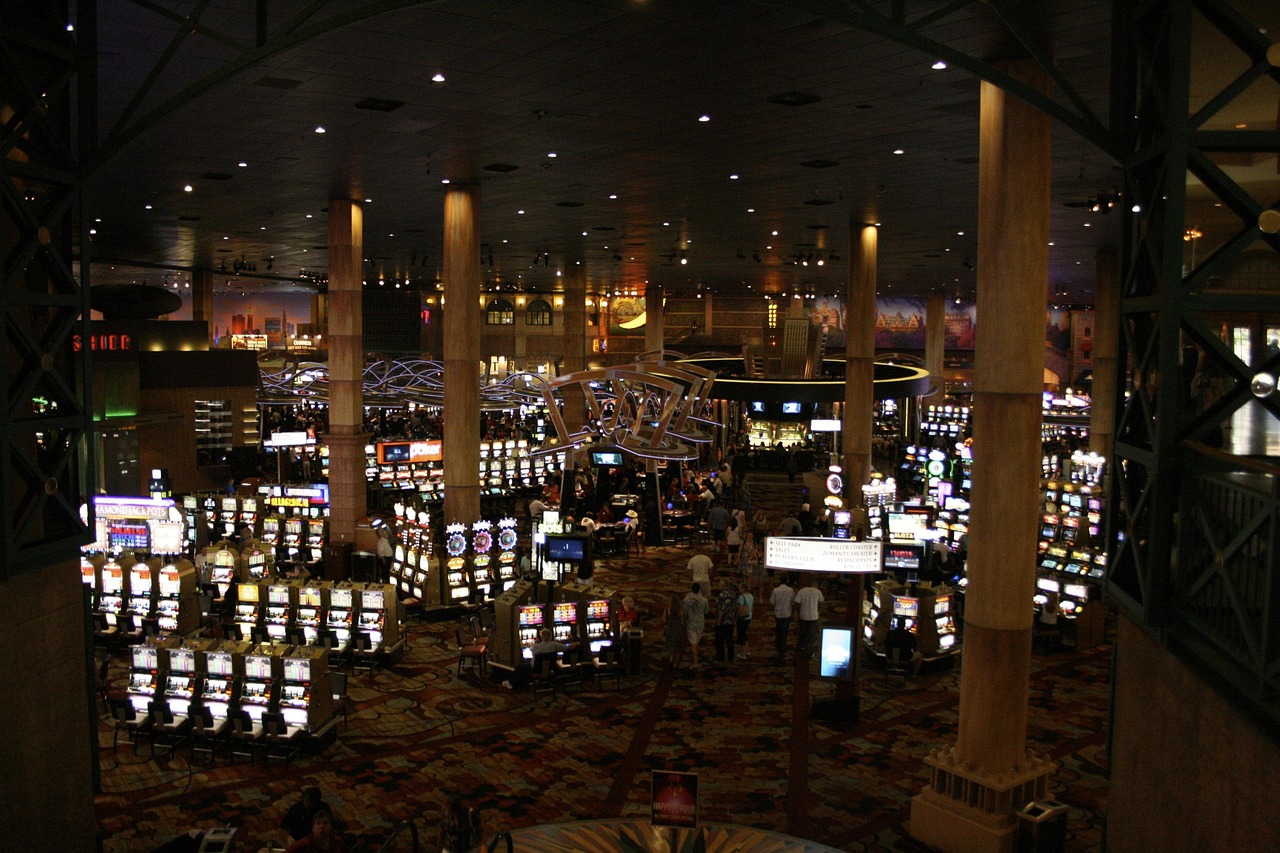
Nevada, known as the gambling capital of the United States, has displayed a long-standing aversion to forms of online wagering beyond traditional casinos. The state maintains stringent regulations against internet casinos and lacks a state lottery. Furthermore, daily fantasy sports are also banned, and despite its many poker rooms, Nevada permits only the World Series of Poker (WSOP) to function as an internet poker operator.
Such restrictive policies are so entrenched that major sportsbook entities like DraftKings and FanDuel have opted not to enter the Nevada market, primarily due to a mandate requiring bettors to present themselves in person at casinos to activate their mobile sports wagering accounts.
Potential for Legal Action
As of now, Kalshi has not publicly responded to the NGCB’s cease and desist order. Still, it merits consideration that the company might have grounds to contest this decision. The contracts offered by Kalshi are classified as derivatives rather than traditional bets, which fundamentally changes their regulatory classification.
This classification means that the contracts are binary options; investors can choose “yes” or “no” on outcomes. For instance, savvy investors purchased “yes” contracts on the Philadelphia Eagles ahead of their recent Super Bowl appearance. A possible resolution could involve Nevada regulators permitting Kalshi to continue operations while prohibiting its election and sports contracts. Many other event derivatives offered by the company, including options on award shows, economic reports, and weather patterns, remain unaddressed in the discussion. However, as of now, no indications of such negotiations have emerged.
Conclusion
The fallout from Kalshi’s order to exit Nevada illustrates the ongoing tensions between emerging online wagering platforms and established traditional gambling regulations. As a state that deeply values its casino heritage, Nevada appears reticent to embrace new forms of gambling that challenge existing frameworks. This situation is still unfolding, and the potential for regulatory negotiation remains a possibility, leaving many in the industry watching closely.
Frequently Asked Questions
Why was Kalshi forced to exit Nevada?
Kalshi was ordered to cease operations due to non-compliance with Nevada’s gambling regulations.
What are the unique betting rules in Nevada?
Nevada strictly regulates online wagering, especially concerning event-based contracts.
What does Kalshi’s exit mean for sports betting in Nevada?
Its exit highlights the challenges faced by alternative betting platforms in a regulated market.