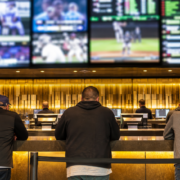



Las Vegas visitation remains ahead of 2025 as conventions carry the market
Las Vegas visitation remains ahead of 2025 as conventions carry the market
Las Vegas visitation is back in focus for US gambling readers after Las Vegas remains ahead of 2025 visitation pace highlighted a development published on 2026-07-28. The underlying facts are specific to this story, but the broader market question is familiar: how should operators, regulators, investors, and everyday customers interpret change in a market where casino economics, wagering policy, technology, and consumer protection all move at different speeds?

What happened
The Las Vegas Convention and Visitors Authority reported that visitor volume for the first half of 2026 was slightly ahead of the prior-year pace. June traffic was marginally lower year over year, but convention attendance was substantially higher, keeping meetings and business travel at the center of the market’s performance.
- The source reported 3.08 million June visitors, a 0.5% decline from June 2025.
- June convention visitors reached 471,100, up 25.8% from 374,600 a year earlier.
- First-half visitor volume was reported at 19.58 million, up 0.2% from 19.55 million.
- The report said June Strip occupancy was 82.2%, while Downtown occupancy was 55.8%, down from 62.5% a year earlier.
The original report matters because it gives a dated source trail instead of rumor alone. In this case, the clearest takeaway is not simply the headline number or the headline conflict. It is the way the update fits into the current US casino and wagering landscape, where state-by-state rules, operator strategy, and consumer expectations can push the same type of news in very different directions.
Why Las Vegas visitation matters now
convention attendance is becoming an important counterweight to uneven leisure travel and event calendars. That makes Las Vegas visitation a useful lens for readers tracking Las Vegas visitors, convention attendance, Las Vegas hotel occupancy. A single earnings update, regulatory move, or partnership discussion rarely changes the whole industry by itself, but it can reveal where capital, enforcement, and customer attention are heading next.
It also helps to keep the timeline straight. This source story is a July 2026 development, not a historical case study. That means readers should distinguish confirmed facts from follow-on speculation, especially where legislation, partnerships, or future revenue implications are concerned. In a fast-moving market, precision matters more than hype.
What operators, regulators, and consumers should watch
Operators will read this kind of news through margins, product mix, and long-term positioning. Regulators will focus on legality, disclosure, compliance, consumer harm, and whether the public record is clear enough to support oversight. Consumers should read it more practically: what product is actually being offered, which authority is relevant, what limits or rules apply, and whether the story changes the real-world experience of gambling customers today.
Those practical questions become clearer when readers compare the original report with supporting material such as Las Vegas remains ahead of 2025 visitation pace, Las Vegas Convention and Visitors Authority research, Las Vegas Review-Journal casinos and gaming coverage. On the destination site, related coverage including Philadelphia casino thefts prompt parking-security warning, Nevada Gaming Control Board presses Kalshi over geofencing deadline, Kalshi Nevada dispute escalates with August deadline and daily penalty threat adds context about how the same themes have appeared in other casino and betting stories. Those links are for context, not endorsement, and they help show how this one development connects to wider US gambling coverage.

What comes next
watch monthly LVCVA releases, room-rate data, and the split between Strip, Downtown, convention, and special-event demand. For that reason, the most responsible interpretation is a measured one. Readers should expect more reporting, follow the relevant regulator or operator, and avoid treating an initial report as the final word when legal status, implementation, or commercial impact may still evolve.
That is especially true in casino and betting coverage because the stakes extend beyond revenue headlines. Product access, state legality, tax collections, responsible-gambling systems, and public trust all matter. A strong article keeps the original source visible, adds authoritative context, and avoids inventing claims that the source did not actually make.
FAQ
Does this update change gambling rules everywhere in the United States?
No. Casino and betting rules remain heavily shaped by state law, tribal compacts, licensing conditions, and regulator guidance. A development in one jurisdiction or company does not automatically apply nationwide.
What should readers verify before acting on this kind of news?
Check the original source, confirm the date, identify the relevant regulator or operator, and review any official terms or legislative text before treating the story as settled.
How can gambling stay recreational?
Set a budget before you play, avoid chasing losses, take breaks, and treat gambling as entertainment rather than income. If it stops feeling manageable, reach out to a qualified support service.
Responsible gambling: Gambling involves risk and is not a guaranteed way to make money. Only play where legal, use funds you can afford to lose, and seek help if gambling is affecting your finances, relationships, or wellbeing.
Original source: Las Vegas remains ahead of 2025 visitation pace. Authoritative supporting links: Las Vegas remains ahead of 2025 visitation pace, Las Vegas Convention and Visitors Authority research, Las Vegas Review-Journal casinos and gaming coverage.