
Prediction Market Election Trading Faces New Questions as Midterms Approach
Prediction Market Election Trading Faces New Questions as Midterms Approach
prediction market election trading is at the center of this U.S. gaming-news briefing after Midterm elections could test how heavy trading on prediction markets affects races and results was reported by CDC Gaming Reports on September 19, 2026. This original summary keeps the source visible while adding context for readers following casino, gambling, and sports-wagering markets.
What the report says
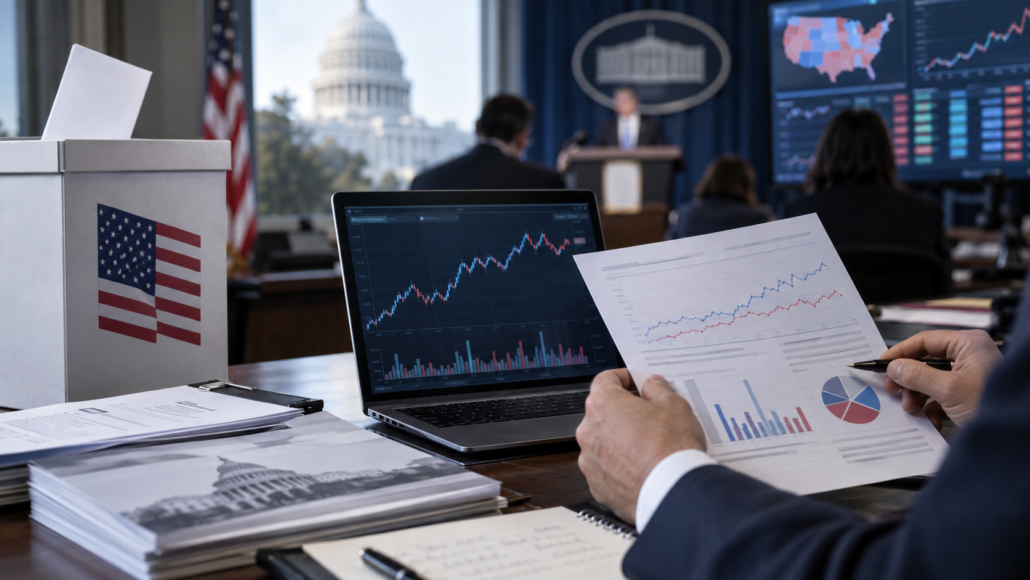
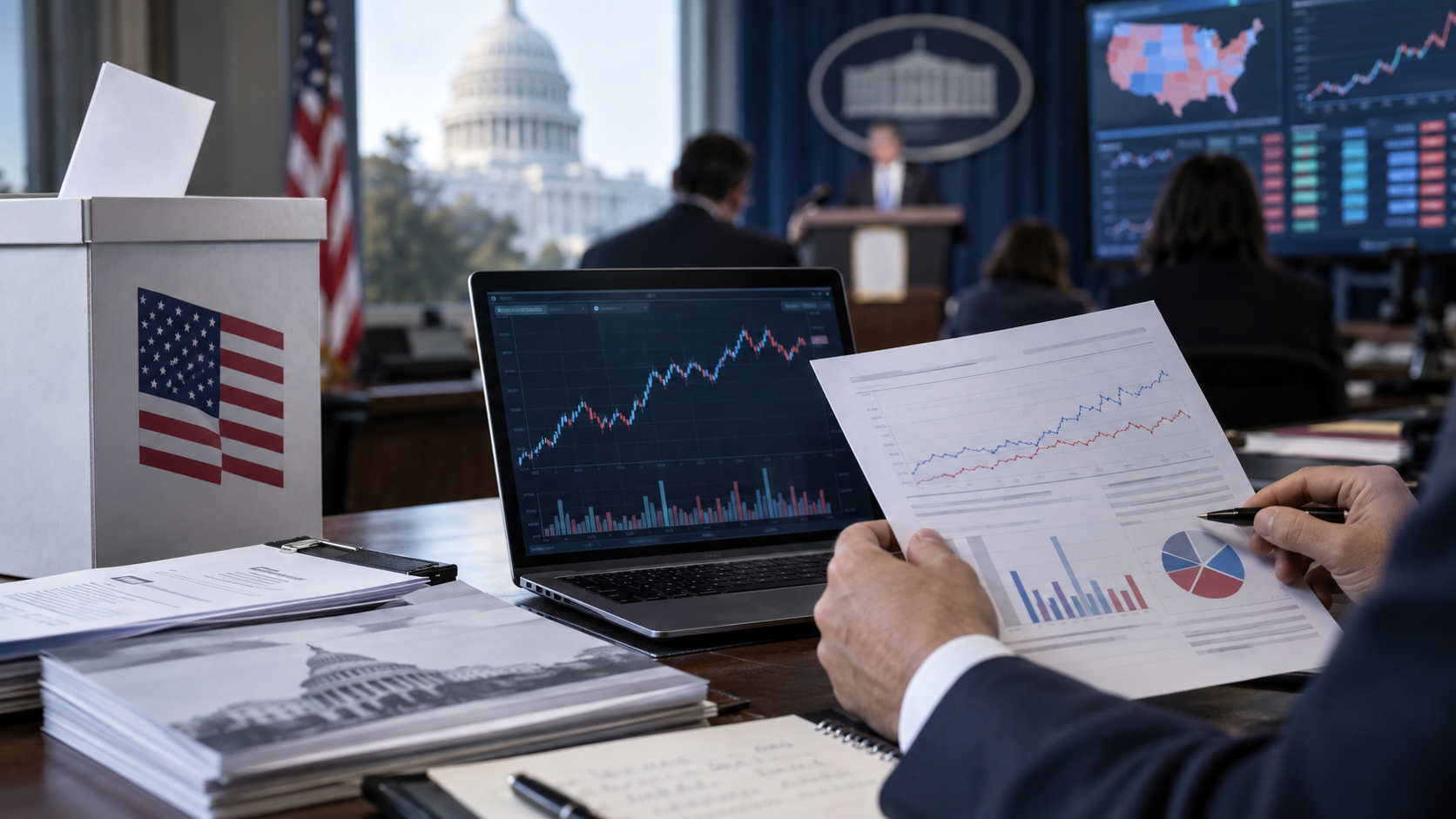
← Back to Newsroom Midterm elections could test how heavy trading on prediction markets affects races and results Saturday, September 19, 2026 11:45 AM Photo: quiggyt4/Shutterstock Marc Levy, Associated Press View more Email, LinkedIn, and more Share this article United States Igaming Election Wagering Elections Prediction markets HARRISBURG, Pa. (AP) — Election-season trading on prediction markets, including in this fall’s biggest races, is skyrocketing while states fight to outlaw the platforms as unlicensed casinos and begin to worry about how high-stakes odds will affect American democracy in unpredictable ways. Already this year, prediction market odds have gotten tangled up with real-life elections, and it is quickly becoming a hot topic for election administrators, who for years have battled misinformation and conspiracy theories. Their concerns are broad, but many revolve around the fear that pervasive financial incentives will further damage confidence in elections and democracy if Americans think they are influencing th
The cited report describes a specific development rather than a complete picture of the national market. A regulator agenda, technology announcement, court filing, event preview, property plan, survey, or company update can matter while leaving important questions open. Readers should separate confirmed details from interpretation, estimates, allegations, and future possibilities.
Why prediction market election trading matters
Describe the reported election-trading trend and the policy concerns without presenting market odds as election results or legal advice.
The wider context includes election event contracts, US prediction markets, political trading risks. These phrases frame the topic, but they do not add facts that the source did not establish. U.S. casino and gambling markets are shaped by state law, tribal sovereignty, licensing conditions, tax rules, technology, advertising standards, court decisions, and consumer-protection expectations.
That state-by-state structure is important. A development in one jurisdiction, a federal court case, a company announcement, or a market estimate does not automatically change the rules or customer experience everywhere else. The relevant jurisdiction, agency, court, company, organization, or operator should be identified before a broad conclusion is drawn.
What operators, regulators, and consumers should watch
Operators will read this news through product design, compliance, workforce decisions, customer experience, and long-term positioning. Regulators will focus on authority, disclosure, the public record, and whether appropriate protections are in place. Consumers should ask practical questions: which product, event, property, or proposal is involved, what terms apply, which jurisdiction is relevant, and whether the story changes anything they can legally do today.
The next useful evidence may come from official notices, court records, company filings, audited results, implementation dates, event details, or later reporting. Follow-up information can clarify whether a proposal advances, a technology reaches more properties, a preview becomes an event, a forecast changes, or a dispute produces a formal decision. Until then, it is more accurate to call this a current development than proof of a lasting market shift.

Related reading and official context
Readers can compare the original report with Commodity Futures Trading Commission and Congress.gov. Related coverage on this site includes Cashless Casino Payments Move Forward as Koin Direct Targets Easier Transactions, Mid Atlantic Casino Revenue Declines Across Several Markets, Fly to Las Vegas Casinos for Just $30: New Rideshare Helicopters Coming by 2026. These links provide context and primary information, not endorsements of an operator, promotion, investment, event, or wager.
FAQ
Does this update change gambling rules everywhere in the United States?
No. Casino, lottery, sports-betting, and prediction-market rules remain shaped by state law, tribal compacts, licensing conditions, court decisions, and regulator guidance. A development in one jurisdiction or company does not automatically apply nationwide.
What should readers verify before acting on this news?
Check the original source, publication date, relevant regulator or organization, current terms, and whether the information is a proposal, estimate, allegation, preview, report, or completed action. For legal, tax, or financial questions, use current official materials and qualified professional advice.
How can gambling stay recreational?
Set a budget and time limit before play, avoid chasing losses, take breaks, and treat gambling as entertainment rather than income. If it stops feeling manageable, contact a qualified gambling-support service.
Responsible gambling: Gambling involves risk and is not a guaranteed way to make money. Only participate where legal, use funds you can afford to lose, set limits in advance, avoid chasing losses, and seek qualified support if gambling affects your finances, relationships, or wellbeing. The National Council on Problem Gambling provides confidential information and support.
Original source: Midterm elections could test how heavy trading on prediction markets affects races and results from CDC Gaming Reports. This is an original summary and context piece based on that report.