

Tag Archive for: Gaming Regulation

prediction market regulation editorial news image

Prediction Market Regulation Debate Puts State and Tribal Authority in Focus

Prediction Market Regulation Debate Puts State and Tribal Authority in Focus

prediction market regulation is back in focus for US gambling readers after Prediction markets called a violation of state, tribal sovereignty, policy analyst says highlighted a development published on 2026-08-19. The underlying facts are specific to this story, but the broader question is familiar: how should operators, regulators, investors, and customers interpret change in a market where casino economics, wagering policy, technology, and consumer protection move at different speeds?
What happened

Amanda Fischer, a former chief of staff to SEC Chairman Gary Gensler and a policy leader at Better Markets, criticized the way prediction-market companies are approaching sports and gambling products. Her comments came during an Indian Gaming Association webinar and focused on the relationship between federal proposals, state laws, and tribal gaming authority.

  • Fischer argued that existing state and tribal gambling laws should not be bypassed by relabeling a product as technology.
  • The Indian Gaming Association has been organizing advocacy and discussing the issue with lawmakers.
  • The CFTC issued a notice of proposed rulemaking in June involving Rule 40.11.
  • The debate involves prediction markets, sports wagering, the Indian Gaming Regulatory Act, tribal-state compacts, and state gaming laws.

The original report provides a dated source trail rather than rumor alone. The clearest takeaway is not simply a headline number or conflict. It is the way this update fits into the US casino and wagering landscape, where state-by-state rules, operator strategy, and customer expectations can push similar news in different directions.

Why prediction market regulation matters now

The regulatory question is consequential because the legal classification of a product can determine licensing, oversight, consumer protections, and who has authority to approve it. That makes prediction market regulation a useful lens for readers tracking US prediction market rules, CFTC prediction market proposal, tribal gaming regulation. A single earnings update, regulatory move, property plan, or technology partnership rarely changes the whole industry by itself, but it can reveal where capital, enforcement, and customer attention are heading.

It also helps to keep the timeline straight. This is a current 2026 development, not a historical case study. Readers should distinguish confirmed facts from follow-on speculation, especially where legislation, partnerships, financing, or future revenue implications are concerned. In a fast-moving market, precision matters more than hype.

What operators, regulators, and consumers should watch

Operators will read this kind of news through margins, product mix, compliance, and long-term positioning. Regulators will focus on legality, disclosure, consumer harm, and whether the public record is clear enough to support oversight. Consumers should ask practical questions: what product is actually being offered, which authority is relevant, what limits or rules apply, and whether the story changes the real-world experience today.

Those questions become clearer when readers compare the original report with supporting material such as Prediction markets called a violation of state, tribal sovereignty, policy analyst says, Commodity Futures Trading Commission, National Indian Gaming Commission. On this destination site, related coverage including Nebraska Casino Revenue: July Growth Was Led by Slots and WarHorse Omaha, New Orleans Casino Relocation: Penn Plans a $195M Landside Project, Casino Chips Tipping Laws – A Complete Guide to Casino Chips: Understanding Tipping Laws in Las Vegas adds context about how the same themes have appeared in other casino and betting stories. Those links are for context, not endorsement.

What comes next

the important follow-up is the text of proposed federal rules, court decisions, congressional action, and responses from state and tribal regulators. The most responsible interpretation is measured: follow the relevant regulator or operator, and avoid treating an initial report as the final word when legal status, implementation, or commercial impact may evolve.

That is especially true in casino and betting coverage because the stakes extend beyond revenue headlines. Product access, state legality, tax collections, responsible-gambling systems, and public trust all matter. Strong reporting keeps the original source visible, adds authoritative context, and avoids inventing claims the source did not make.

FAQ

Does this update change gambling rules everywhere in the United States?

No. Casino and betting rules are shaped by state law, tribal compacts, licensing conditions, and regulator guidance. A development in one jurisdiction or company does not automatically apply nationwide.

What should readers verify before acting on this news?

Check the original source, confirm the date, identify the relevant regulator or operator, and review official terms or legislative text before treating the story as settled.

How can gambling stay recreational?

Set a budget before you play, avoid chasing losses, take breaks, and treat gambling as entertainment rather than income. If it stops feeling manageable, reach out to a qualified support service.

Responsible gambling: Gambling involves risk and is not a guaranteed way to make money. Only play where legal, use funds you can afford to lose, and seek help if gambling is affecting your finances, relationships, or wellbeing.

Original source: Prediction markets called a violation of state, tribal sovereignty, policy analyst says. Authoritative supporting links: Prediction markets called a violation of state, tribal sovereignty, policy analyst says, Commodity Futures Trading Commission, National Indian Gaming Commission.

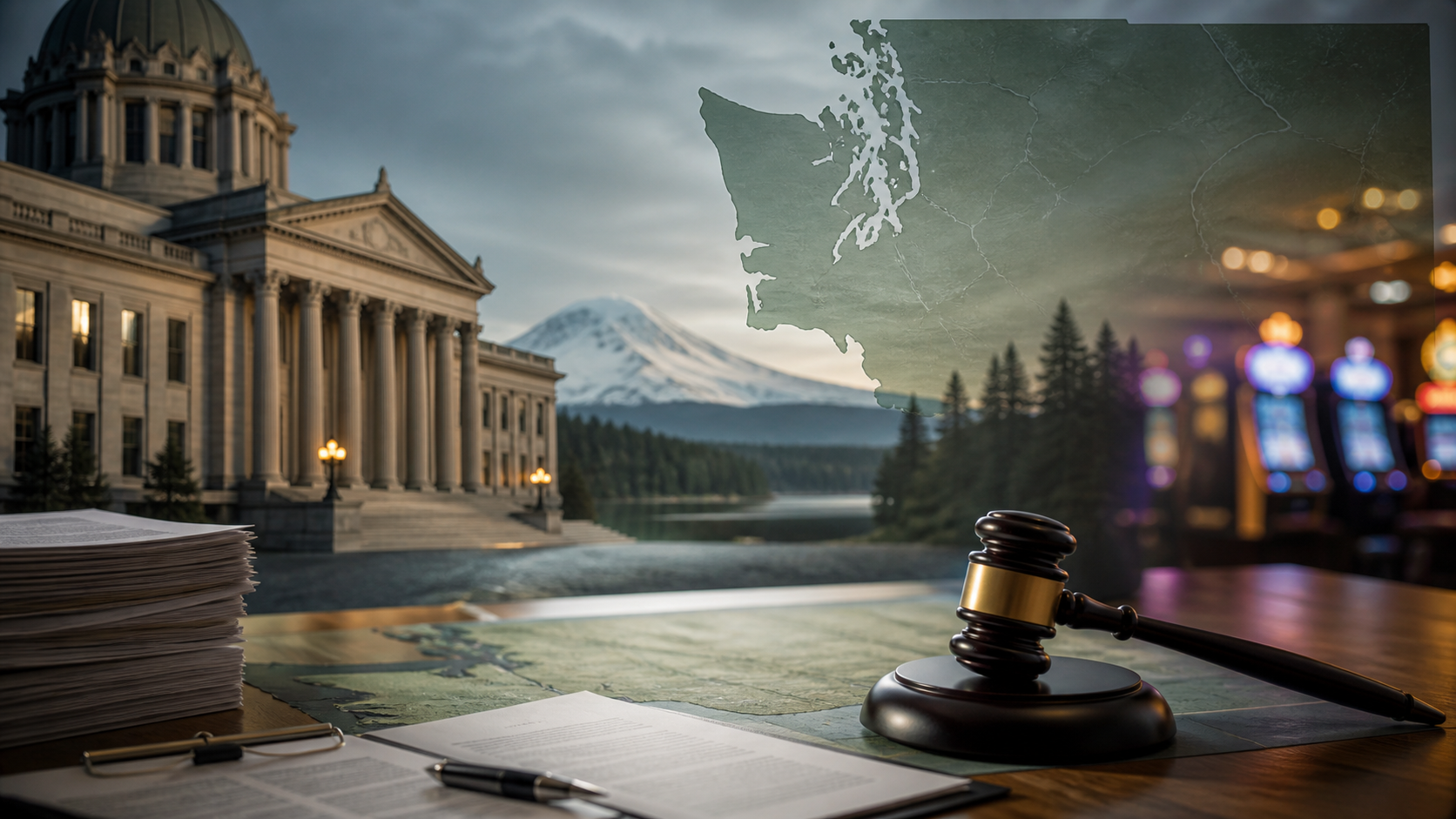
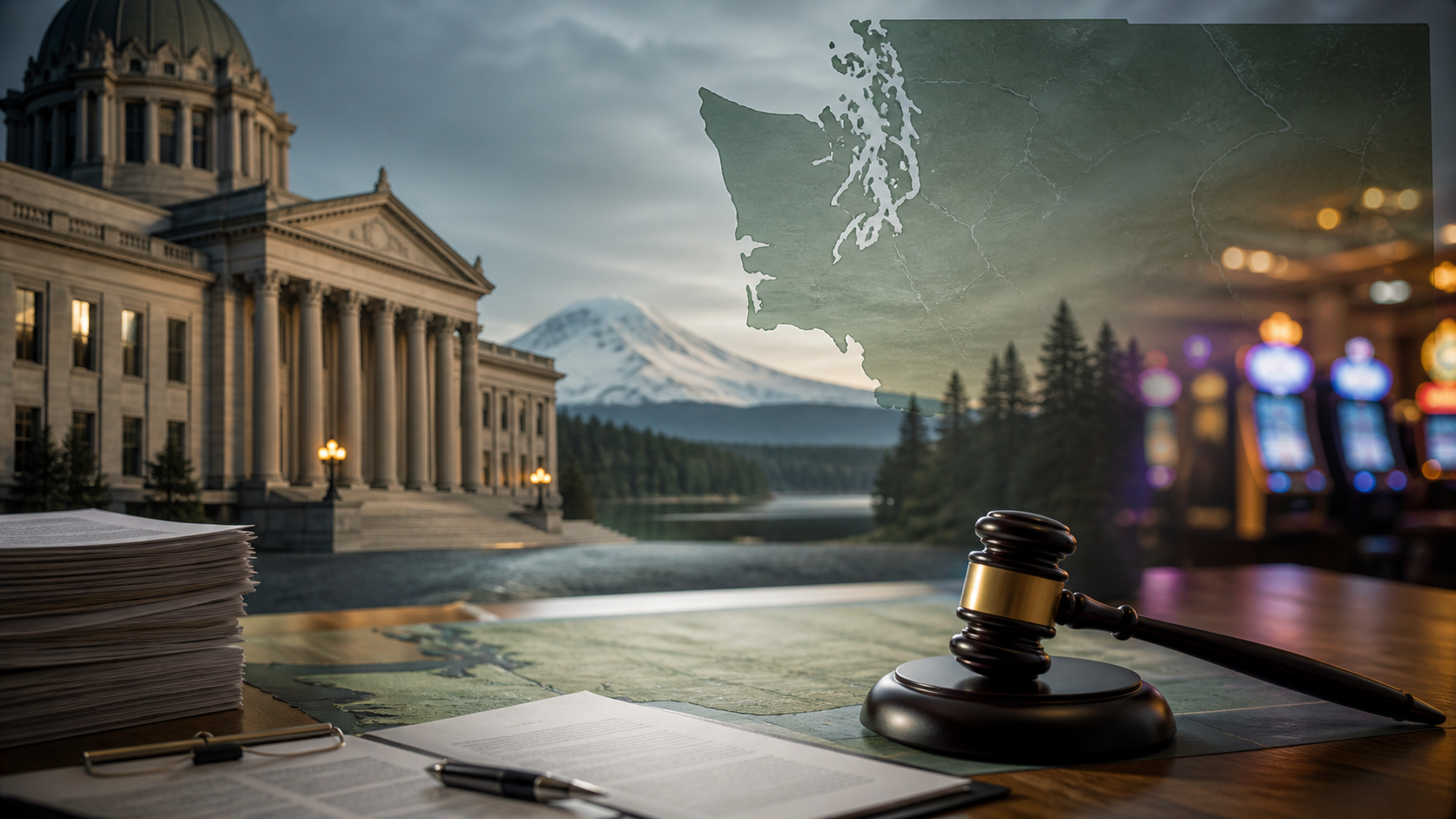
Unbranded Washington gaming regulation and courthouse scene

Washington Kalshi betting order deepens tribal gaming dispute

Unbranded Washington gaming regulation and courthouse scene

Washington Kalshi betting order deepens tribal gaming dispute

Washington Kalshi betting restrictions are adding to a wider dispute between prediction-market operators, state courts and tribal gaming leaders. This article uses Washington Kalshi betting as its primary keyword and keeps the source, date and jurisdiction visible for U.S. readers.

This briefing separates reported facts from analysis and future possibilities. Casino, lottery, sportsbook and gambling stories often combine financial information, legal claims, business decisions and consumer questions, so a current headline should not be treated as a nationwide rule, a guaranteed outcome or personal financial advice.

Key facts

  • King County Superior Court Judge John McHale ordered Kalshi to implement geofencing by Sept. 2 for certain event contracts in Washington.
  • The order said preliminary geofencing technology should be online by Aug. 19, and noncompliance could lead to $120,000 in daily fines or a required explanation.
  • The order bans sports, politics and entertainment event contracts but does not cover contracts involving commodities, climate, economic or financial events; Washington has 23 federally recognized tribes operating 29 casinos.

What the original source reports

King County Superior Court Judge John McHale ordered Kalshi to implement geofencing by Sept. 2 for certain event contracts in Washington.

The order said preliminary geofencing technology should be online by Aug. 19, and noncompliance could lead to $120,000 in daily fines or a required explanation.

The order bans sports, politics and entertainment event contracts but does not cover contracts involving commodities, climate, economic or financial events; Washington has 23 federally recognized tribes operating 29 casinos.

The original report is linked below so readers can review its wording, publication date and any later correction. The information here is a substantially original summary, with claims attributed to the source rather than presented as independent findings.

Why this update matters

This Washington Kalshi betting story is preliminary litigation, not a final nationwide rule. The source reports a state-court finding and an injunction, while Kalshi says the Commodity Futures Trading Commission has exclusive jurisdiction over its exchange.

For tribal gaming leaders, the dispute is also about market structure and sovereignty. Their argument is that sports event contracts can look and function like wagering while operating under a different federal framework from state and tribal gaming systems.

Geofencing is a practical compliance tool, but it does not resolve the underlying legal question. Availability can change by state, product type, court order and regulator action, so readers should not treat an app’s general availability as permission to participate everywhere.

The United States is not one gambling market. State laws, tribal arrangements, licensing systems, court orders and consumer-protection requirements can differ. A development in one state, company or property should not be treated as permission or a forecast for every reader.

Numbers also need context. Revenue is not profit, a projected tax payment is not money already collected, a lawsuit is not a final judgment and a product announcement is not proof of future performance. Readers should check official notices, filings and current operator terms before acting on the news.

Readers should also keep the source date in view. News can develop quickly after a court order, earnings release, appointment or construction update, and later reporting may add facts that were not available when this briefing was published. That is why the original link and official references remain part of this article.

What to watch next

Kalshi’s appeal and any later Washington court filings may clarify whether the injunction is paused, narrowed or enforced.

Official state and federal notices should be checked before relying on current product availability or legal descriptions.

For related destination-site context, readers can review TribalHub gaming conference: advisory boards set the 2026 agenda, Nevada Gaming Control Board presses Kalshi over geofencing deadline, Kalshi Nevada dispute escalates with August deadline and daily penalty threat. These internal links are provided as related reading and are not endorsements of an operator, product, investment or wager.

Frequently asked questions

What is the reported development?

What is the reported Washington Kalshi betting order? It requires geofencing for certain event contracts.

Why does this USA casino-news story matter?

Which markets are covered? The source says sports, politics and entertainment contracts are banned by the order.

What should readers verify next?

Is the legal dispute finished? No. The report describes ongoing appeals and competing jurisdictional arguments.

Responsible gambling note

Responsible gambling: Gambling involves risk and is not a way to make guaranteed income. Only participate where legal, use money you can afford to lose, set a budget and time limit before you start, avoid chasing losses and seek qualified support if gambling affects your finances, relationships or wellbeing.

Original source: Tribes expect Supreme Court intervention after Kalshi ordered to block Washington bets – CDC Gaming from CDC Gaming Reports. Authoritative supporting information: Washington State Gambling Commission and National Indian Gaming Commission.

Unbranded Washington gaming regulation and courthouse scene

Washington Kalshi betting order deepens tribal gaming dispute

Washington Kalshi betting order deepens tribal gaming dispute

Washington Kalshi betting restrictions are adding to a wider dispute between prediction-market operators, state courts and tribal gaming leaders. This article uses Washington Kalshi betting as its primary keyword and keeps the source, date and jurisdiction visible for U.S. readers.

This briefing separates reported facts from analysis and future possibilities. Casino, lottery, sportsbook and gambling stories often combine financial information, legal claims, business decisions and consumer questions, so a current headline should not be treated as a nationwide rule, a guaranteed outcome or personal financial advice.

Key facts

  • King County Superior Court Judge John McHale ordered Kalshi to implement geofencing by Sept. 2 for certain event contracts in Washington.
  • The order said preliminary geofencing technology should be online by Aug. 19, and noncompliance could lead to $120,000 in daily fines or a required explanation.
  • The order bans sports, politics and entertainment event contracts but does not cover contracts involving commodities, climate, economic or financial events; Washington has 23 federally recognized tribes operating 29 casinos.

What the original source reports

King County Superior Court Judge John McHale ordered Kalshi to implement geofencing by Sept. 2 for certain event contracts in Washington.

The order said preliminary geofencing technology should be online by Aug. 19, and noncompliance could lead to $120,000 in daily fines or a required explanation.

The order bans sports, politics and entertainment event contracts but does not cover contracts involving commodities, climate, economic or financial events; Washington has 23 federally recognized tribes operating 29 casinos.

The original report is linked below so readers can review its wording, publication date and any later correction. The information here is a substantially original summary, with claims attributed to the source rather than presented as independent findings.

Why this update matters

This Washington Kalshi betting story is preliminary litigation, not a final nationwide rule. The source reports a state-court finding and an injunction, while Kalshi says the Commodity Futures Trading Commission has exclusive jurisdiction over its exchange.

For tribal gaming leaders, the dispute is also about market structure and sovereignty. Their argument is that sports event contracts can look and function like wagering while operating under a different federal framework from state and tribal gaming systems.

Geofencing is a practical compliance tool, but it does not resolve the underlying legal question. Availability can change by state, product type, court order and regulator action, so readers should not treat an app’s general availability as permission to participate everywhere.

The United States is not one gambling market. State laws, tribal arrangements, licensing systems, court orders and consumer-protection requirements can differ. A development in one state, company or property should not be treated as permission or a forecast for every reader.

Numbers also need context. Revenue is not profit, a projected tax payment is not money already collected, a lawsuit is not a final judgment and a product announcement is not proof of future performance. Readers should check official notices, filings and current operator terms before acting on the news.

Readers should also keep the source date in view. News can develop quickly after a court order, earnings release, appointment or construction update, and later reporting may add facts that were not available when this briefing was published. That is why the original link and official references remain part of this article.

What to watch next

Kalshi’s appeal and any later Washington court filings may clarify whether the injunction is paused, narrowed or enforced.

Official state and federal notices should be checked before relying on current product availability or legal descriptions.

For related destination-site context, readers can review TribalHub gaming conference: advisory boards set the 2026 agenda, Nevada Gaming Control Board presses Kalshi over geofencing deadline, Kalshi Nevada dispute escalates with August deadline and daily penalty threat. These internal links are provided as related reading and are not endorsements of an operator, product, investment or wager.

Frequently asked questions

What is the reported development?

What is the reported Washington Kalshi betting order? It requires geofencing for certain event contracts.

Why does this USA casino-news story matter?

Which markets are covered? The source says sports, politics and entertainment contracts are banned by the order.

What should readers verify next?

Is the legal dispute finished? No. The report describes ongoing appeals and competing jurisdictional arguments.

Responsible gambling note

Responsible gambling: Gambling involves risk and is not a way to make guaranteed income. Only participate where legal, use money you can afford to lose, set a budget and time limit before you start, avoid chasing losses and seek qualified support if gambling affects your finances, relationships or wellbeing.

Original source: Tribes expect Supreme Court intervention after Kalshi ordered to block Washington bets – CDC Gaming from CDC Gaming Reports. Authoritative supporting information: Washington State Gambling Commission and National Indian Gaming Commission.

MGM Resorts acquisition US casino news illustration

MGM Resorts acquisition questions put Nevada regulators in the spotlight

MGM Resorts acquisition questions put Nevada regulators in the spotlight

MGM Resorts acquisition is at the center of the latest US gaming conversation after Nevada regulators seek answers about People Inc.’s proposed acquisition of MGM Resorts reported a development involving regulatory review. The immediate news is specific, but the wider question is familiar to anyone following casinos, online gambling, and sports wagering: how do operators grow while keeping rules clear, markets credible, and customers informed?

What happened

The story is less about a completed transaction than about the scrutiny that can surround a major gaming deal. Nevada regulators’ questions underline how ownership, suitability, competition, and consumer confidence remain linked. The original report provides the starting point for this article, while the interpretation here focuses on what the update means for a US audience. It is important to separate confirmed information from forecasts, proposals, and commentary. A headline can point to a major change without meaning that a deal is complete, a policy is final, or a projected market size will definitely arrive.

For operators, the first practical issue is execution. A new product, partnership, policy, or public commitment has to fit the local market in which it appears. That can mean working with a state regulator, adapting to tribal or commercial licensing arrangements, or explaining how a digital product differs from a traditional casino game. The details may be less dramatic than the headline, but they determine whether an initiative earns long-term trust.

Why the update matters

The strongest lesson from this MGM Resorts acquisition story is that US gambling is not one national market. Consumer expectations, taxes, advertising rules, permitted products, and enforcement priorities vary from state to state. A development that seems routine in Nevada, Pennsylvania, Missouri, New York, or Maryland can be treated differently elsewhere. Readers should therefore look for the jurisdiction, the responsible regulator, and the precise product being discussed before drawing a broad conclusion.

There is also a business question. Operators are trying to protect margins while funding technology, hospitality, compliance, and customer support. Growth measured only by visits or betting volume can hide the cost of promotions, platform changes, and regulatory controls. The healthier view is a balanced one: demand matters, but so do sustainable economics, transparent terms, and the quality of the customer experience.

What customers should watch

For customers, the most useful signals are straightforward. Check whether an offer or product is legal in your state, read the terms before committing money, and confirm which company or licensee is responsible for the service. For casino entertainment, look at game rules and payout information. For sports wagering, check the market rules, settlement language, and limits. For prediction-style products, pay close attention to whether the product is treated as gaming, a financial contract, or something else.

Readers can also compare this report with our existing coverage, including How Casino Security Protocols Impact Liability: The Venetian Las Vegas Lawsuit, Mark Zuckerberg’s Exciting Weekend in Las Vegas: UFC Action and Top Poker Games Highlights, New Proposal for Casino Gambling Development in South Carolina by Wallace Cheves. Those links are provided for context and should not be treated as endorsements. They help show how a single news item fits within broader US casino and betting coverage.

What comes next

The next stage will depend on facts that are not always available in an initial announcement: formal approvals, audited results, implementation dates, final rules, and any changes made after public feedback. That is especially important when a proposal involves a major operator, a new wagering format, or a community investment. Follow-up reporting can clarify whether the original plan was completed and whether its impact matched early expectations.

Our view is measured. The update is worth following because it shows where the US market is moving, but it does not justify assuming that every operator, player, or state will experience the same result. Good reporting keeps the original source visible, distinguishes fact from analysis, and gives readers enough context to make their own informed judgment.

FAQ

Is MGM Resorts acquisition the same in every US state?

No. Gambling products and related rules are usually shaped by state law, tribal compacts, licensing conditions, and regulator guidance. Always check the rules that apply where you are located.

What should readers verify before acting on this news?

Verify the original announcement, the relevant regulator, the final terms, and whether the product is available legally in your jurisdiction. Forecasts and proposals can change.

How can people keep gambling recreational?

Set a budget and time limit before you start, avoid chasing losses, and take a break if gambling stops feeling enjoyable. If it is becoming difficult to control, contact a qualified gambling-support service in your area.

Responsible gambling: Gambling involves risk and is not a way to make guaranteed income. Only play where legal, use money you can afford to lose, and seek help if gambling is affecting your finances, relationships, or wellbeing.

Original source: Nevada regulators seek answers about People Inc.’s proposed acquisition of MGM Resorts. Supporting information: CDC Gaming Reports.